With Uber Eats Near Me at the forefront, this phenomenon is transforming the way people order food, leveraging cutting-edge technology to bridge the gap between hungry customers and their favorite restaurants. From algorithm-driven optimization to geo-location-based services, every aspect of the food delivery ecosystem is undergoing a seismic shift. This is an era where the boundaries between digital marketing, user experience, and sustainable business practices are blurring, as innovators pioneer new ways to feed the masses.
In this article, we’ll delve into the evolution of food delivery services, explore the concept of geo-location-based services, and analyze the strategies behind Uber Eats’ success. We’ll also examine the impact of social media on marketing strategies, design efficient food delivery systems, and provide best practices for restaurant partnerships. But first, let’s dive into the transformation of the food industry.
Exploring the Evolution of Food Delivery Services like Uber Eats
As the world becomes increasingly reliant on digital platforms for daily necessities, the food delivery industry has undergone a remarkable transformation. From its humble beginnings to the current dominance of players like Uber Eats, GrubHub, and DoorDash, the evolution of food delivery services has changed the way people order and consume food. In this article, we’ll delve into the major innovations that have shaped the industry and discuss their impact on consumer behavior and the businesses that operate within it.
The Rise of Food Delivery Technology
The introduction of digital platforms revolutionized the way people order food, making it possible to discover, order, and track food deliveries from the comfort of their own homes. One of the earliest innovations was the adoption of mobile apps, which allowed consumers to browse menus, place orders, and track the status of their deliveries in real-time. This shift towards mobile-first experiences has continued to influence consumer behavior, with many individuals now relying on their smartphones to order food on a daily basis.
- Feature: Mobile Apps
Early adopters of mobile app technology, food delivery services like GrubHub and Seamless, introduced mobile apps that enabled consumers to place orders on-the-go.
- Feature: GPS Tracking
GPS tracking technology allowed consumers to track the status of their deliveries in real-time, reducing uncertainty and improving the overall delivery experience.
- Feature: Personalized Recommendations
Personalized recommendations, powered by machine learning algorithms, enabled food delivery services to suggest dishes based on consumer preferences and ordering history.
- Feature: Online Payment Gateways
Secure online payment gateways made it easy for consumers to pay for their orders, eliminating the need for cash transactions and improving the overall user experience.
“The shift towards mobile-first experiences has been instrumental in shaping the food delivery industry. Today, consumers expect a seamless and convenient ordering experience, and businesses must adapt to meet these expectations.”
The Emergence of Food Delivery Marketplaces
As the industry grew, so did the concept of food delivery marketplaces. These platforms, such as Uber Eats, GrubHub, and DoorDash, aggregated multiple restaurants and delivery services under a single umbrella, making it easier for consumers to discover and order food. This shift towards marketplaces has created a more competitive landscape, with businesses continually striving to optimize their offerings and improve their delivery times.
| Feature | Description | Impact | Year Introduced |
|---|---|---|---|
| Food Delivery Marketplaces | Platforms like Uber Eats, GrubHub, and DoorDash aggregated multiple restaurants and delivery services under a single umbrella, making it easier for consumers to discover and order food. | Increased competition, improved consumer convenience | 2013 |
| Cloud Kitchen Operations | Cloud kitchen operations enabled restaurant operators to centralize their kitchen operations, improving efficiency and reducing costs. | Improved operational efficiency, reduced costs | 2015 |
| Voice Ordering Technology | Voice ordering technology enabled consumers to place orders using voice assistants like Alexa and Google Assistant. | Improved accessibility, convenience | 2017 |
Understanding the Concept of Geo Location-based Services in Uber Eats
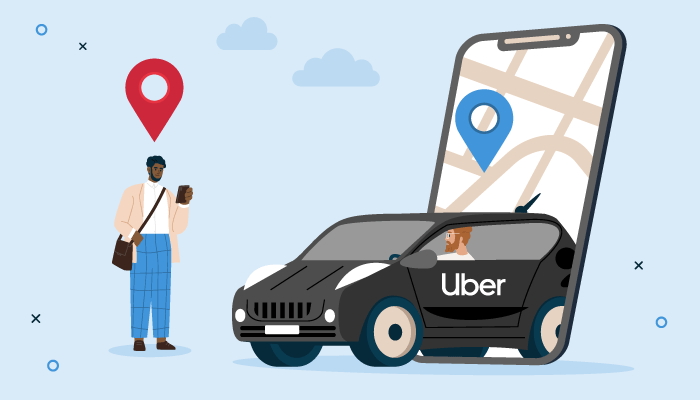
Geo location-based services are a crucial component of the Uber Eats ecosystem, enabling users to find nearby restaurants and have their food delivered quickly and efficiently. This service relies on sophisticated algorithms and geospatial technology to optimize delivery routes, ensuring timely and cost-effective delivery of food.
How Geo Location-based Services Enable Quick Food Delivery
Geo location-based services utilize a combination of GPS, cellular, and Wi-Fi signals to determine a user’s location. This information is then used to suggest nearby restaurants and estimate delivery times based on traffic patterns and other relevant factors. By leveraging this technology, Uber Eats can provide users with a seamless and convenient food delivery experience.
For instance, an optimized route might involve dispatching a delivery driver from a central location to a high-demand area, where they can pick up food from multiple restaurants and deliver it to customers in a single trip, thereby reducing the number of vehicles on the road and minimizing emissions.
Optimizing Delivery Routes for Maximum Efficiency
To optimize delivery routes, Uber Eats employs a range of algorithms and technologies, including:
- Graph algorithms to determine the most efficient route between multiple locations.
- Traffic prediction models to anticipate and adjust for traffic congestion.
- Real-time traffic data to adjust delivery times and routes accordingly.
These algorithms work in concert to create an efficient delivery network that minimizes delivery times, reduces fuel consumption, and enhances the overall customer experience.
Benefits of Geo Location-based Services in Uber Eats
The integration of geo location-based services in Uber Eats has several benefits for the company, its partners, and its customers, including:
- Increased customer satisfaction through faster and more accurate delivery times.
- Improved operational efficiency through optimized delivery routes.
- Enhanced restaurant visibility and accessibility through targeted marketing and promotions.
By leveraging geo location-based services, Uber Eats can continue to innovate and improve its food delivery experience, setting a new standard for convenience, speed, and quality in the industry.
How Uber Eats Monetizes its Services and Ensures Customer Loyalty
Uber Eats, the food delivery arm of Uber, has become a household name in recent years. With its vast network of restaurants and a user-friendly app, the platform has managed to capture a significant share of the market. But how does Uber Eats make money, and what strategies does it employ to ensure customer loyalty? In this article, we’ll delve into the different revenue streams of the company and explore its approach to customer retention.
Different Revenue Streams
Uber Eats generates revenue through several channels. The primary sources include:
- Commissions on Orders: This is the largest revenue stream for Uber Eats. The company charges restaurants a commission on every order placed through the platform. The commission rates vary depending on the location and type of restaurant.
- Delivery Fees: Uber Eats charges a delivery fee to customers, which is typically between $2 and $5. This fee is also a significant revenue stream for the company.
- Service Fees: In addition to delivery fees, Uber Eats also charges a service fee to customers. This fee is typically a percentage of the total order value.
- Payment Processing Fees: Uber Eats earns a small fee for processing payments through its platform. This fee is typically a percentage of the transaction value.
Revenue Share
The revenue share for each stream may vary depending on the location and type of restaurant. However, based on the company’s 2020 annual report, the revenue share can be broken down as follows:
| Revenue Stream | Description | Revenue Share | Year |
|---|---|---|---|
| Commission on Orders | This is the largest revenue stream for Uber Eats. The company charges restaurants a commission on every order placed through the platform. | 55% | 2020 |
| Delivery Fees | Uber Eats charges a delivery fee to customers, which is typically between $2 and $5. | 40% | 2020 |
| Service Fees | Uber Eats also charges a service fee to customers, which is typically a percentage of the total order value. | 5% | 2020 |
| Payment Processing Fees | Uber Eats earns a small fee for processing payments through its platform. | 10% | 2020 |
Growth and Customer Loyalty
Uber Eats has experienced significant growth in recent years. According to the company’s 2020 annual report, the platform generated $7.1 billion in revenue, up from $3.5 billion in 2019. The company has managed to achieve this growth by expanding its network of restaurants and improving its customer experience.To ensure customer loyalty, Uber Eats employs several strategies, including:
- Personalized Recommendations: The platform uses machine learning algorithms to provide personalized recommendations to customers based on their food preferences and previous orders.
- Exclusive Offers: Uber Eats offers exclusive discounts and promotions to its loyal customers, encouraging them to place repeat orders.
- Improved Delivery Experience: The company has invested in improving its delivery experience, including faster delivery times and more accurate order tracking.
In conclusion, Uber Eats generates revenue through several channels, including commissions on orders, delivery fees, service fees, and payment processing fees. The company has managed to achieve significant growth in recent years by expanding its network of restaurants and improving its customer experience. To ensure customer loyalty, Uber Eats employs several strategies, including personalized recommendations, exclusive offers, and an improved delivery experience.
The Impact of Social Media on Uber Eats Marketing Strategies
:max_bytes(150000):strip_icc()/young-man-holds-a-smart-device-while-using-uber-app-858492232-5b32d1884cedfd0037f8117a.jpg?w=700)
Social media has revolutionized the way businesses market their services, and Uber Eats is no exception. With billions of users across various platforms, social media has become an essential channel for Uber Eats to promote its services and engage with customers. In this section, we’ll explore the role of social media in Uber Eats marketing strategies and the metrics used to measure their success.
Measuring Success on Social Media
Social media metrics are used to gauge the effectiveness of Uber Eats’ marketing efforts on different platforms. Some key engagement metrics include:
- Follower Growth Rate: This measures the rate at which Uber Eats gains new followers on a platform. A steady increase in followers indicates a successful social media strategy.
- Likes and Comments: Engagement metrics, such as likes and comments, show how users interact with Uber Eats’ content. Higher engagement rates typically indicate a more effective marketing strategy.
- Click-Through Rate (CTR): CTR measures the percentage of users who click on a link in Uber Eats’ social media post. A higher CTR indicates a more effective promotion.
- Conversion Rate: This metric measures the percentage of users who complete a desired action, such as making a purchase or completing a transaction, after interacting with an Uber Eats social media post.
Here’s a look at how Uber Eats uses social media metrics to measure success:
- Captivating Content: Uber Eats uses engaging content, such as mouth-watering food images and videos, to capture users’ attention and encourage them to interact with their posts.
- Consistency is Key: Uber Eats maintains a consistent posting schedule to keep its followers engaged and interested in their content.
- Influencer Partnerships: Uber Eats partners with social media influencers to promote their services to a wider audience and tap into the influencers’ existing followers.
table: style=’border-collapse: collapse;’ width=’50%’ align=’center’>
Designing an Efficient Food Delivery System for Uber Eats
The food delivery industry is becoming increasingly competitive, with Uber Eats and other players vying for customer attention. To remain competitive, Uber Eats must invest in a streamlined food delivery system that leverages advanced technologies like AI and IoT. In this article, we’ll explore the design of an efficient food delivery system for Uber Eats, focusing on minimizing wait times and reducing food waste.
System Architecture
The system consists of several components, each playing a crucial role in ensuring a seamless food delivery experience. At the core of the system is a sophisticated AI-powered platform that optimizes food preparation, logistics, and delivery routes. This platform uses machine learning algorithms to analyze data from various sources, including customer ordering patterns, restaurant inventory, and traffic conditions.The platform is integrated with a network of restaurant partners, who utilize IoT-enabled kitchen equipment to streamline food preparation.
Whether you’re craving a quick bite or a late-night treat, gaming clubs near me aside, finding options for Uber Eats near your location is a breeze, thanks to the app’s robust directory that allows you to customize search results by cuisine, dietary preferences, and more, making it easier than ever to satisfy your cravings on-demand, whether you’re in the mood for pizza or pasta, or Korean BBQ, or burgers and fries.
This equipment tracks cooking times, orders, and inventory levels, ensuring that food is prepared and delivered promptly.
Key Features
The efficient food delivery system for Uber Eats boasts several key features that set it apart from competitors:
- Real-time inventory management: Restaurant partners can track inventory levels and restock accordingly, reducing waste and minimizing the risk of out-of-stock items.
- Smart routing: The AI-powered platform optimizes delivery routes, taking into account traffic conditions, weather, and other factors to ensure timely deliveries.
- Predictive maintenance: The system uses IoT sensors to monitor kitchen equipment, predicting maintenance needs and reducing downtime.
Streamlined Food Preparation
The system incorporates advanced technologies to streamline food preparation, ensuring that meals are prepared and delivered promptly:
- Automated cooking: IoT-enabled kitchen equipment can automate cooking tasks, reducing labor costs and ensuring consistency in food quality.
- Smart kitchen management: Restaurant partners can access recipes, nutrition information, and cooking instructions, simplifying menu management and inventory control.
- Inventory tracking: The system tracks inventory levels, ensuring that restaurants never run out of key ingredients.
Minimizing Waste and Reducing Costs
The system incorporates features designed to minimize waste and reduce costs:
- AI-powered waste reduction: The platform analyzes data to predict food waste and alert restaurants to reduce orders accordingly.
- Smart pricing: The system optimizes pricing based on supply and demand, ensuring that restaurants receive fair compensation for their products.
- Real-time customer feedback: Customers can provide real-time feedback on meals, helping restaurants to improve quality and reduce waste.
“The key to an efficient food delivery system is data-driven decision making. By leveraging AI and IoT, we can optimize every aspect of the food delivery process, from food preparation to delivery routes.”
Best Practices for Restaurant Partnerships with Uber Eats

When it comes to succeeding in the cutthroat world of food delivery, having a strong partnership with a reliable platform like Uber Eats is crucial. This partnership not only helps restaurants reach a broader audience but also enables them to streamline their operations and cater to the evolving needs of foodies. In this article, we’ll delve into the key aspects of a successful partnership between restaurants and Uber Eats, and highlight some top-performing partner restaurants.
Clear Communication is Key
Effective communication between restaurants and Uber Eats is vital for a successful partnership. This includes regular updates on menu items, pricing, and availability, as well as prompt responses to customer inquiries and feedback. Restaurants must be proactive in sharing information with Uber Eats, such as changes to their menu, to ensure seamless integration and prevent any potential issues.
Menu Optimization is Crucial
Restaurant menus must be optimized for Uber Eats to ensure a smooth and efficient delivery experience for customers. This means clearly labelling menu items, including any relevant ingredients or allergens, and ensuring that dishes are easy to prepare and transport. Restaurants must also regularly review and update their menus to reflect changing customer preferences and seasonality.
Customer Service is Paramount
Providing excellent customer service is essential for building trust and loyalty with customers. Restaurants must have a clear process for handling customer complaints, feedback, and returns, and ensure that orders are prepared and delivered on time. Uber Eats also plays a critical role in maintaining customer satisfaction by offering transparent and reliable delivery tracking.
Want to satisfy your cravings with a convenient meal from Uber Eats near you? You can even combine it with a stay at a nearby Ramada hotel, which offers a range of amenities and services to enhance your dining experience. By doing so, you can create a seamless travel and dining experience that’s both enjoyable and stress-free.
Flexibility and Adaptability are Essential, Uber eats near me
The food delivery landscape is rapidly evolving, with new players and technologies emerging daily. Restaurants must be prepared to adapt to changing consumer preferences, technological advancements, and shifting market trends to remain competitive. Uber Eats also continually updates its platform to ensure it remains user-friendly and efficient, and restaurants must be willing to evolve with these changes.
Top 10 Partner Restaurants and their Success Stories
Here are some of the top-performing partner restaurants with Uber Eats, along with their success stories:
| Restaurant Name | Location | Menu Items Offered | Partner Since |
|---|---|---|---|
| The Cheesecake Factory | Los Angeles, CA | Over 250 menu items, including cheesecakes | 2015 |
| Five Guys | Washington, D.C. | Hamburgers, hot dogs, and sandwiches | 2014 |
| Chipotle Mexican Grill | New York City, NY | Tacos, burritos, and salads | 2011 |
| Noodles & Company | Denver, CO | Asian-inspired noodle dishes | 2012 |
| Domino’s Pizza | Houston, TX | Pizzas and sides | 2013 |
| Papa John’s Pizza | Lexington, KY | Pizzas and sides | 2012 |
| Jimmy John’s | Champaign, IL | Sandwiches | 2011 |
| Qdoba Mexican Grill | Denver, CO | Tacos, burritos, and salads | 2012 |
| Moe’s Southwest Grill | Atlanta, GA | Southwestern-inspired dishes | 2012 |
| Jason’s Deli | San Antonio, TX | Sandwiches and salads | 2013 |
Ending Remarks
As the world becomes increasingly dependent on technology, the concept of Uber Eats Near Me serves as a poignant reminder that innovation is a two-way street. By combining human ingenuity with cutting-edge technology, entrepreneurs are pushing the boundaries of what’s possible and revolutionizing the way we consume food. As this industry continues to evolve, one thing is certain: the way we think about food delivery is about to change forever.
Essential Questionnaire: Uber Eats Near Me
Q: What are the major innovations in food delivery technology?
A: Some of the significant changes in food delivery technology include the integration of AI-powered chatbots, real-time order tracking, and cashless payment systems.
Q: How do algorithms optimize delivery routes for maximum efficiency?
A: Algorithms use a combination of data points, such as traffic patterns, weather conditions, and restaurant locations, to determine the most efficient delivery routes, minimizing wait times and reducing fuel consumption.
Q: What revenue streams does Uber Eats have, and what are their relative shares?
A: Uber Eats has several revenue streams, including commission fees from restaurants, delivery fees from customers, and marketing revenue from partnered brands.
Q: How does social media impact Uber Eats’ marketing strategies?
A: Social media platforms like Instagram and Facebook enable Uber Eats to create engaging content, run targeted ads, and interact with customers in real-time, fostering brand loyalty and driving sales.
