Sample free verse poems sets the stage for this enthralling narrative, offering readers a glimpse into a world where language knows no boundaries, where the poet’s inner voice is free to roam, and where the beauty of the unstructured lies waiting to be unlocked. Free verse poetry, a form that defies conventional norms, has long been a canvas for the soul to express itself in all its raw, unbridled glory.
Throughout this journey, we’ll delve into the heart of what makes free verse poetry such a powerful and captivating art form. From its origins to its modern-day applications, we’ll explore the intricacies of its structure, the secrets behind its impact, and the ways in which it has been used to reflect the human experience. Whether you’re a seasoned poet or a budding wordsmith, this is your chance to unlock the full potential of your creative expression.
Structuring Free Verse Poems: Form and Technique
Structuring free verse poems requires a thoughtful approach to musicality, syntax, and lineation. Like a painter selecting colors for a masterpiece, poets must deliberately choose words to convey emotions and ideas. By applying principles from the world of music, poetry gains depth and meaning, engaging readers.One way to achieve this structure is by incorporating various techniques such as enjambment (where a sentence or phrase continues into the next line without punctuation), caesura (pauses within a line), and metaphorical language.
This blend creates a dynamic rhythm, evoking emotions and fostering resonance.
Designing a Framework for Free Verse Poems, Sample free verse poems
A well-crafted framework should begin with an understanding of the poet’s intent and audience. Consider the following elements:
- Emotional resonance: Free verse poetry often explores the depths of human experience, focusing on emotions and connections with the world. Poets should aim to evoke empathy and understanding.
- Linguistic precision: The words chosen must convey the intended message clearly, while maintaining a poetic flair. Poets can achieve this through careful selection of vocabulary and syntax.
- Visual appeal: Lineation and enjambment play crucial roles in creating a sense of flow and visual harmony. Poets must balance these elements to maintain tension and release.
- Symbolism and metaphor: Strategic use of symbolism and metaphor enriches the poem’s meaning, inviting readers to make connections and interpretations. Effective utilization of these techniques requires attention to context and precision.
- Intimacy and connection: Free verse poetry often seeks to create a personal, intimate connection with the reader. Poets must craft language that invites readers into the poem’s world, fostering an emotional bond.
The interplay of these elements can lead to a captivating and authentic voice. Poets can further refine their structure by experimenting with various techniques and forms, pushing the boundaries of traditional poetry.
Imagery, Metaphor, and Symbolism in Free Verse Poems
Imagery, metaphor, and symbolism are essential components of free verse poetry, adding depth and complexity to the narrative.
‘Imagery creates an experience, inviting readers to engage with the world within the poem.’ – A poet’s perspective.
Effective uses of imagery:
-
Visualizing emotions and sensations: A poet might employ vivid descriptions of light, color, and texture to evoke emotions and moods.
Example: ‘The sun’s golden light pours through the windows, warming the cold tile floor. It brings comfort to this lonely room.’
-
Painting scenes: Free verse poetry can transport readers to different environments and cultures through detailed descriptions.
Example: ‘Deserts’ sand dunes stretch towards the setting sun, a burning orange that lights the darkening desert.’ –
Metaphor and symbolism add layers to the narrative, inviting readers to explore and interpret meaning. A good metaphor:
‘Compares two things to create a new understanding, illuminating aspects of human experience.’ – A poet’s perspective.
Metaphorical language is powerful when used wisely:
-
Creating connections: A poet might employ metaphors to connect disparate ideas or emotions, illustrating their interplay.
Example: ‘Love is a canvas, painted with tears and smiles.’
-
Representing the abstract: Metaphors can be used to convey abstract concepts, making them tangible and relatable.
Example: ‘The city was a beast, consuming all in its path.’
Symbolism can evoke powerful emotions and associations:
Representing ideas and themes: Poets use symbols to represent complex ideas or themes, making them accessible to readers.
Example: ‘The rose represents love and sacrifice.’
Eliciting emotions: Symbols can evoke emotions and responses in readers, creating a connection to the poem’s world.
Example: ‘The snake symbolizes change and transformation.’
Editing and Refining Free Verse Poems
While some poets might see editing as a necessary evil, refining a free verse poem is essential to achieving a polished and cohesive tone.
By following these guidelines, poets can refine their free verse poems, creating captivating and relatable stories that engage readers on a deeper level.
Free Verse Poems as a Reflection of the Human Experience: Sample Free Verse Poems
Free verse poetry has emerged as a potent medium for capturing the intricate complexities of human emotions, identities, and experiences. This style of poetry has proven to be adept at conveying the subtleties of the human spirit, often transcending the confines of traditional poetic structures. By eschewing the constraints of rhyme and meter, free verse poets are able to tap into the raw essence of human experience, crafting a unique and intimate language that resonates deeply with readers.
When immersed in the world of sample free verse poems, your mind often wanders to the unstructured beauty of life outside, where even the gentle act of soothing dry, irritated eyes can bring momentary peace through preservative free eye drops for dry eye , a notion that parallels the unbridled creativity of poetry itself.
Exploring Complex Emotions
Free verse poets have long employed this style as a means of exploring the intricate inner workings of the human psyche. By embracing a more fluid and expressionistic approach to language, these poets are able to capture the nuanced fluctuations of emotions, often conveying the sense of being suspended between different emotional states. The use of fragmented sentences, enjambment, and caesura creates a sense of emotional flux, drawing the reader into the poet’s personal universe and inviting them to experience the emotions firsthand.
Creating Intimacy and Connection
One of the most distinctive features of free verse poetry is its ability to establish an intimate connection with the reader. By utilizing a more conversational tone and eschewing traditional poetic flourishes, free verse poets are able to create a sense of direct and unmediated communication. This allows the reader to feel a deep sense of empathy and understanding, as if the poet is sharing their innermost thoughts and feelings directly with them.
The use of language in free verse poetry is often characterized by a sense of urgency, vulnerability, and openness, creating a space for the reader to engage with the poet’s experience on a profound level.
Common Themes and Motifs
- Mortality and Impermanence
In this collection of free verse poetry, we see the poet grappling with the inevitability of mortality and the fleeting nature of life. For instance, in “The End of Summer” by Mary Oliver, the poet reflects on the passing of time and the impermanence of all things. This theme is also explored in “Do Not Stand at My Grave and Weep” by Mary Elizabeth Frye, which uses imagery and metaphor to convey the poet’s acceptance of death and the cyclical nature of life. - Identity and Belonging
Identity is a pervasive theme in free verse poetry, with poets often exploring issues of belonging, cultural heritage, and self-discovery. In “The BreakBeat Poets” edited by Quraysh Ali Lansana, Damon Young, and others, the poets examine the tensions between identity and belonging in a multicultural world. This theme is also examined in “The Country Without a Post Office” by Agha Shahid Ali, which uses imagery and metaphor to convey the poet’s sense of displacement and longing for a lost homeland. - Love and Loss
Love and loss are recurring themes in free verse poetry, with poets often exploring the complexities and nuances of human relationships. In “The Sun and Her Flowers” by Rupi Kaur, the poet reflects on the pain of love and loss, using imagery and metaphor to convey the poet’s emotions. This theme is also explored in “The Wild Iris” by Louise Glück, which uses free verse to capture the poet’s sense of longing and yearning for a lost loved one. - Memory and Nostalgia
Memory and nostalgia are also recurrent themes in free verse poetry, with poets often exploring the complexities of remembrance and the power of nostalgia. In “The House on Mango Street” by Sandra Cisneros, the poet reflects on the poet’s childhood and the memories that have shaped their life. This theme is also examined in “The Country of Marriage” by Wendell Berry, which uses free verse to capture the poet’s sense of nostalgia and longing for a simpler, more peaceful time.
| Theme | Example | Poet | Year |
|---|---|---|---|
| Mortality and Impermanence | The End of Summer | Mary Oliver | 1978 |
| Identity and Belonging | The BreakBeat Poets | Quraysh Ali Lansana, Damon Young | 2015 |
| Love and Loss | The Sun and Her Flowers | Rupi Kaur | 2017 |
| Memory and Nostalgia | The House on Mango Street | Sandra Cisneros | 1984 |
In free verse poetry, we find a unique blend of intimacy, vulnerability, and expression, allowing readers to connect with the poet’s experience on a deep and profound level. By embracing the fluid, expressionistic qualities of free verse, poets are able to capture the complexities of human emotions, identities, and experiences in a way that is both raw and relatable.
Exploring Free Verse Poetry through Illustration
Free verse poetry, a style that rejects traditional poetic structures, offers a canvas for creatives to reimagine and reinterpret the world around them. By tapping into imagery and visualization, poets can transport readers to realms both familiar and unknown. In this exploration of free verse poetry through illustration, we delve into the role of imagery, metaphors, and symbolism in crafting a sense of atmosphere and mood, and examine the process of creating illustrations that complement and enhance the meanings of these poems.
The Power of Imagery in Free Verse Poetry
One of the defining features of free verse poetry is its emphasis on imagery. Poets use vivid descriptions to paint a picture in the reader’s mind, conjuring emotions and sensations that linger long after the poem has ended. By employing sensory details, poets can evoke a specific atmosphere, mood, or tone, drawing the reader into their world. For example, in Sylvia Plath’s “Tulips,” the speaker describes the “red” and “yellow” tulips as “sucking honey from the sink / like a wet mouth.” This use of color and tactile sensation creates a vivid image that immerses the reader in the poem’s world.
- Vivid and specific descriptions of the natural world
- Use of sensory details, such as sights, sounds, smells, tastes, and textures
- Employment of metaphors and similes to create fresh and evocative comparisons
By incorporating these techniques, poets can craft a rich tapestry of images that speak to the human experience. Free verse poetry’s focus on imagery allows readers to connect with the poet’s vision on a deeper level, fostering a sense of empathy and understanding.
Metaphors and Symbolism in Free Verse Poetry
Metaphors and symbolism add another layer of depth to free verse poetry, inviting readers to decipher their meanings and uncover their significance. By using metaphors and symbols, poets can convey complex emotions and ideas, often subtly and indirectly. For instance, in Walt Whitman’s “Song of Myself,” the poet employs the metaphor of the “open road” to symbolize freedom and the open road to new possibilities.
This metaphor transcends its literal meaning, speaking to the human desire for exploration and self-expression.
- Identification of specific metaphors and symbols used in the poem
- Analysis of the potential meanings and connotations behind these metaphors and symbols
- Discussion of how the metaphors and symbols contribute to the overall effect and atmosphere of the poem
By examining the metaphors and symbols in free verse poetry, readers can gain a deeper understanding of the poet’s intentions and the ways in which the poem speaks to the human experience.
Creating Illustrations that Complement and Enhance Free Verse Poetry
Illustrations play a crucial role in bringing free verse poetry to life, serving as a visual complement to the poet’s words. By creating illustrations that capture the essence and atmosphere of the poem, artists can enhance the reader’s experience, inviting them to engage with the material on a deeper level. In creating illustrations for free verse poetry, artists must carefully consider the poem’s language, imagery, and symbolism, using their artwork to amplify these elements.
| Skill | Description |
|---|---|
| Emotional connection | Creating illustrations that evoke a strong emotional response in the viewer, mirroring the poet’s intentions. |
| Attention to detail | Accurately depicting the imagery, metaphors, and symbolism in the poem, ensuring that the artwork is true to the poet’s vision. |
| Experimentation and creativity | Using unconventional materials or techniques to create unique and captivating illustrations that enhance the poem’s meaning. |
By mastering these skills, artists can create illustrations that do more than simply accompany the poem – they can become an integral part of the poet’s message, elevating the reader’s experience and fostering a deeper connection to the material.
Creating a Sample Free Verse Poem: A Step-by-Step Guide
Free verse poetry allows writers to express themselves freely without adhering to traditional rhyme and meter conventions. As a result, crafting a free verse poem can be a unique and rewarding experience. However, getting started can be intimidating, which is why we’ve Artikeld a step-by-step guide to help you create your own sample free verse poem.
Designing Your Free Verse Poem: Ideas and Inspiration
To begin, let’s explore ways to generate ideas and language for your free verse poem. The key is to tap into your personal experiences, emotions, and observations to create authentic and relatable content. Here are some exercises to help you get started:
- Freewriting: Set a timer for 10-15 minutes and write whatever comes to mind without stopping or editing. This will help you tap into your subconscious and release any creative blockages.
- Sense Memory Exercise: Describe a vivid memory or experience by focusing on sensory details such as sights, sounds, smells, tastes, and textures. Try to engage your senses as much as possible.
- Ideal Scenario: Imagine a perfect moment or scenario and describe it in as much detail as possible. Think about the setting, characters, and emotions involved.
Incorporating elements from these exercises into your poem will help you develop a strong foundation and unique perspective.
Refining Your Poem: Word Choice and Lineation
Now that you have a solid foundation, let’s focus on refining your poem through word choice and lineation. Paying attention to the language and structure can make or break a free verse poem. Here are some tips to consider:
- Imagery and Metaphor: Use vivid and evocative language to create powerful imagery and metaphors. Avoid clichés and overused phrases that can detract from the poem’s impact.
- Lineation: Experiment with different line lengths and formats to create a natural flow and rhythm. Avoid uneven or awkward line breaks that can disrupt the poem’s momentum.
- Omitting and Emphasizing: Don’t be afraid to leave out words or phrases that don’t contribute to the poem’s meaning. Emphasize important words or ideas through emphasis, capitalization, or line breaks.
By paying attention to word choice and lineation, you can create a free verse poem that’s both emotionally resonant and aesthetically pleasing.
In the realm of poetry, free verse has become a popular and expressive form often inspired by the beauty surrounding us, from the gentle flow of a mountain stream to the vibrant hues of a city’s nightlife that may have no bearing on is risotto wheat free , but sparks an idea to create something new.
Preparing Your Poem for Publication
Once you’ve refined your poem, it’s time to think about sharing it with the world. Here are some tips for publishing and sharing your free verse poetry:
- Online Platforms: Share your poem on social media, blogs, or online literary magazines. Choose platforms that align with your target audience and style.
- Literary Magazines: Research and submit your poem to reputable literary magazines that publish free verse poetry. Be sure to follow submission guidelines and formatting requirements.
- Self-Publishing: Consider self-publishing your poem on platforms like Amazon Kindle Direct Publishing or Lulu. This can be a cost-effective way to reach a wider audience.
Remember to proofread and edit your poem carefully before sharing it with others. A well-crafted free verse poem can leave a lasting impression on readers.
Visual Representation: Illustrating Your Free Verse Poem
Free verse poetry often benefits from visual representation to enhance its emotional impact and meaning. Consider the following visual elements to illustrate your poem:
- Images and Photographs: Choose images that resonate with the poem’s theme and tone. Avoid overly literal or clichéd images that can detract from the poem’s impact.
- Typography and Fonts: Experiment with different typography and fonts to create a unique visual identity for your poem. Choose fonts that are easy to read and align with the poem’s tone.
- Color and Texture: Consider adding visual interest through color and texture. Use images or graphics that evoke the desired mood or atmosphere.
By incorporating visual elements, you can create a multimedia experience that engages readers on multiple levels.
Last Point
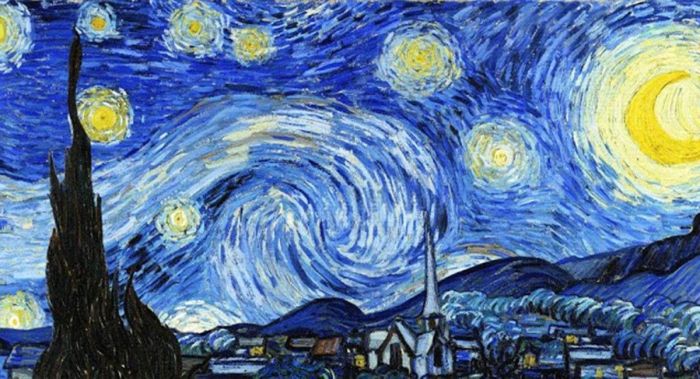
As we conclude our exploration of sample free verse poems, remember that the true beauty of this art form lies not in its rules, but in its freedom to defy them. It’s a blank canvas waiting for your brushstrokes, a symphony begging for your melodies, and a whispered secret waiting for you to share it with the world. So go ahead, unleash your creative expression, and let the world experience the magic of free verse poetry.
FAQ Compilation
Q: What is the essence of free verse poetry?
A: Free verse poetry is a form that rejects traditional poetic structures in favor of a more fluid and expressive approach. It emphasizes the poet’s inner voice and allows for a greater sense of improvisation and freedom.
Q: How do I get started with writing free verse poetry?
A: Start by reading and studying the work of established free verse poets. Allow yourself to tap into your emotions and inner voice, and experiment with different language and imagery to find your unique style.
Q: What role does imagery play in free verse poetry?
A: Imagery is a crucial element in free verse poetry, as it allows the poet to paint vivid pictures in the reader’s mind. It can be used to create powerful metaphors, evoke a specific mood or atmosphere, and add depth and texture to the poetry.
