Nosferatu Showtimes Near Me is an engaging narrative that unfolds in a compelling and distinctive manner, drawing readers into a story that promises to be both engaging and uniquely memorable.
Founded in 1922, F.W. Murnau’s Nosferatu is a foundational work in the horror genre, still captivating audiences today with its timeless themes and imagery.
Exploring the Concept of Nosferatu and Its Timeless Horror Appeal
Nosferatu, F.W. Murnau’s 1922 silent horror film, is a foundational work in the genre that continues to captivate audiences today. The film tells the story of a vampire, Count Orlok, who moves from his castle in the Carpathian Mountains to a small German town, spreading terror and death wherever he goes. Despite facing censorship and controversy, Nosferatu has endured as a classic of the horror genre, influencing countless filmmakers and horror enthusiasts alike.Nosferatu’s cultural significance extends beyond its on-screen presence.
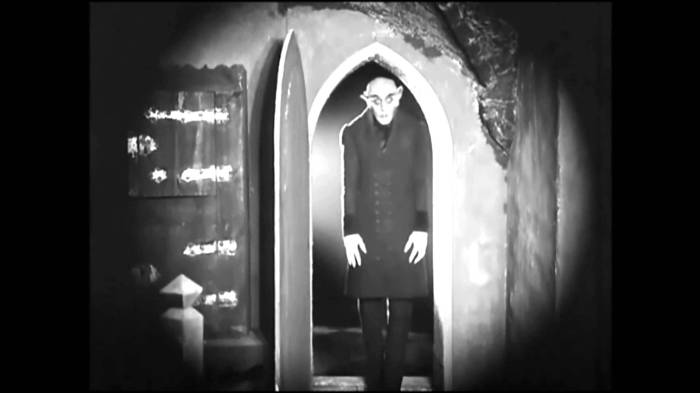
The film’s themes and imagery continue to resonate with audiences today, reflecting societal fears and anxieties of the time. The character of Count Orlok, with his grotesque appearance and menacing presence, embodies the fears of a world ravaged by disease and war. The film’s use of shadows, darkness, and eerie landscapes creates a sense of foreboding and unease, drawing viewers into the world of horror.
A Brief History of Nosferatu
Nosferatu was released in 1922, a time of great change and turmoil in Germany. The film was directed by F.W. Murnau, a German filmmaker who was known for his innovative and artistic approach to storytelling. The film was an unauthorized adaptation of Bram Stoker’s Dracula, with the names and some details changed to avoid copyright infringement. Despite this, Nosferatu was still deemed too graphic and disturbing for public consumption, leading to censorship and banning in several countries.
The Reception of Nosferatu
The film’s reception was mixed at the time of its release. Some critics praised the film’s artistic merit and technical innovations, while others found it too violent and disturbing. The film’s censorship and banning led to it being labeled as a “lost” film, with few copies surviving to this day. However, in recent years, Nosferatu has undergone a critical reevaluation, with many praising its influence on the horror genre and its enduring cultural significance.
Thematic Resonance: Fear of Disease and the Other
Nosferatu’s themes and imagery continue to captivate audiences today, reflecting societal fears and anxieties of the time. The film’s use of disease and contagion as metaphors for fear and uncertainty resonates with modern concerns about pandemics and public health. The character of Count Orlok, with his grotesque appearance and menacing presence, embodies the fears of the Other, or those who are perceived as different or threatening.
This fear of the Other continues to be a staple of horror cinema, with film like Nosferatu influencing a wide range of horror sub-genres.
Artistic Innovations and Influence
Nosferatu was a technical and artistic innovation at the time of its release. The film’s use of shadows, darkness, and eerie landscapes created a sense of foreboding and unease, drawing viewers into the world of horror. The film’s cinematography, particularly the use of low-angle shots and point-of-view shots, was groundbreaking for its time. Nosferatu’s influence can be seen in countless horror films and filmmakers, including classics like Frankenstein and Dracula, as well as modern works like The Silence of the Lambs and The Exorcist.
Cultural Significance and Legacy
Nosferatu’s cultural significance extends beyond its on-screen presence. The film’s themes and imagery continue to resonate with audiences today, reflecting societal fears and anxieties of the time. The film’s influence can be seen in film, literature, and art, with its iconic imagery and themes inspiring countless creators. Nosferatu’s legacy is cemented as a foundational work in the horror genre, continuing to captivate audiences with its timeless themes and haunting imagery.
Showtimes Near Me
When it comes to catching a local screening of the timeless horror classic, Nosferatu, knowing where and when to go can be crucial. In this guide, we’ll show you how to find the nearest movie theater showing Nosferatu, compare online platforms for showtime information, and provide insider tips to avoid scheduling conflicts.
Step-by-Step Process for Finding Local Screenings
Finding showtimes for Nosferatu in your area requires a combination of online research and awareness of local theater schedules. Here’s a step-by-step guide to help you find the latest screenings near you:
- Start by visiting popular online platforms that provide showtime information, such as Fandango, Atom Tickets, or MovieTickets. These websites allow you to search for movie theaters near your location and filter results by the title, showing date, and showtime.
- Use a mapping service like Google Maps or Apple Maps to find the nearest movie theaters and their exact locations. You can also use these services to get directions to the theater.
- Visit the website of the movie theater you’re interested in to confirm their showtime schedule for Nosferatu. Keep in mind that some theaters may not always list their showtimes online, so it’s a good idea to call them directly to confirm their schedule.
- Sign up for movie theater newsletters or follow them on social media to stay informed about new movie releases and showtime updates.
- Consider visiting the local box office to inquire about showtimes and availability, especially for niche or independent theaters that may not be well-represented online.
Comparing Online Platforms for Showtime Information
While there are many online platforms that provide showtime information, some are more comprehensive than others. Here are some popular options:
- Fandango: Known for its wide selection of theaters and comprehensive showtime schedules, Fandango is a top choice for finding Nosferatu screenings near you.
- Atom Tickets: This platform offers a user-friendly interface and competitive pricing, making it a great option for those looking to reserve tickets online.
- Movies.com: While not as prominent as Fandango or MovieTickets, Movies.com provides a decent selection of theaters and showtimes for a variety of movie titles, including horror classics like Nosferatu.
- Theater-specific websites: For niche or independent theaters, visiting their official websites or social media pages is a great way to stay informed about showtimes and availability.
- Mobile apps: Some movie theaters offer mobile apps that allow you to check showtimes, reserve tickets, and even buy concessions directly from your phone.
Avoiding Scheduling Conflicts
When attending a local screening of Nosferatu, it’s essential to plan ahead and avoid scheduling conflicts with friends or family. Here are some insider tips to help you make the most of your movie experience:
- Plan ahead: Check the showtimes and availability of Nosferatu in your area well in advance to ensure you can get tickets. Some popular movies may sell out quickly, so it’s better to be early.
- Communicate with friends and family: Discuss movie dates and showtimes with your loved ones in advance to avoid conflicts or scheduling misunderstandings.
- Be flexible: Be prepared to adjust your plans if there’s a technical issue with the theater or an unexpected scheduling conflict.
- Consider matinee or late-night screenings: If you’re finding it difficult to catch a showtime during regular hours, consider opting for a matinee or late-night screening.
- Follow the theater’s social media: Stay informed about last-minute showtime changes, special promotions, or exclusive events by following the movie theater’s social media accounts.
Understanding the Cultural Context of Nosferatu in Modern Cinematic Adaptations: Nosferatu Showtimes Near Me
In recent years, Nosferatu has experienced a resurgence in popularity, with filmmakers across the globe drawing inspiration from Murnau’s 1922 masterpiece. This adaptation has undergone numerous reimaginings, each with its unique take on the classic themes and characters.The original Nosferatu was a unauthorized adaptation of Bram Stoker’s Dracula, with the names and some details altered to avoid copyright infringement. However, the film’s haunting atmosphere and the character of Count Orlok captured audiences’ imaginations.
In modern times, filmmakers have revisited and reinterpreted this classic tale, injecting it with fresh perspectives and themes.
Adaptations and Reinterpretations
Nosferatu has been reimagined in various forms, from film to television and even stage productions. One notable example is the 1979 film Nosferatu the Vampyre, directed by Werner Herzog. This adaptation maintains the original’s eerie atmosphere while incorporating striking imagery and a haunting performance by Klaus Kinski as the vampire Count Orlok.In more recent years, the TV series Penny Dreadful has reimagined Nosferatu’s iconic character, featuring the vampire Count Orlok in a dark and atmospheric reimagining of Victorian London.
Looking for Nosferatu showtimes near you? You might not be alone, and perhaps you could fuel up for the eerie film night with a delicious Halwa gajar near me ( find out now ), a popular Indian dessert that’s sweet and satisfying. Back to Nosferatu, be sure to check showtime schedules at participating theaters near your location, and remember to arrive early to grab a bite or enjoy that Halwa before the haunting movie begins.
This adaptation draws on the original’s themes of darkness and despair while incorporating the show’s own unique twists and characters.
Contemporary Filmmakers’ Inspiration
Many contemporary filmmakers have cited Nosferatu as a significant influence on their work. For instance, Francis Ford Coppola has often spoken about the influence of Nosferatu on his own vampire film, Bram Stoker’s Dracula. Coppola’s adaptation maintains the classic tale’s Gothic atmosphere while incorporating stunning visuals and a haunting performance by Gary Oldman as the vampire Count Dracula.Similarly, the film By the Blood of Heroes (1989), directed by Neveldine/Taylor (the Crank duo) features Nosferatu-esque imagery, particularly in its depiction of a postapocalyptic world overrun by vampires.
This film’s dark and gritty tone owes a debt to Nosferatu’s own haunting atmosphere.
Planning to catch a showing of Nosferatu near you? To get the most out of your evening, you might want to grab some late-night munchies from a restaurant that serves delicious turkey near me here , and then head over to the cinema for a spooky film experience. Afterward, you could even consider exploring local theater productions to stay entertained.
Cultural Implications, Nosferatu showtimes near me
The various adaptations and reinterpretations of Nosferatu offer insights into the cultural context in which they were created. For instance, the 1922 film itself was a product of its time, reflecting the anxieties and fears of the post-World War I era. In contrast, modern adaptations such as Penny Dreadful reflect a contemporary fascination with the Gothic and the supernatural.Moreover, the updating of Nosferatu’s themes and settings for modern audiences raises important questions about cultural context and representation.
For example, how do modern adaptations of classic horror tales navigate issues of appropriation and cultural sensitivity, particularly when dealing with works that originated in other cultures or time periods?
The Evolution of Horror Cinema

The dawn of horror cinema brought forth classic films that continue to captivate audiences to this day, shaping the genre into what it’s become. One such influential film is F.W. Murnau’s 1922 masterpiece, Nosferatu. This iconic film played a pivotal role in shaping the horror genre, with its lasting impact still felt in modern cinema.
Key Milestones in Horror Cinema
In the early 20th century, horror cinema began to take shape. As audiences craved thrilling experiences, filmmakers responded with groundbreaking stories that pushed the boundaries of storytelling. The silent era saw the emergence of classic monsters, each with their distinct narrative, visual, and thematic elements. Notable among these are Frankenstein’s monster, Dracula, and the Wolf Man, all of which can be attributed to Nosferatu.
Nosferatu’s Influence on Horror Cinema
The 1922 film Nosferatu serves as an example of a work that significantly influenced the horror genre. This silent masterpiece borrowed elements from Bram Stoker’s Dracula and interwove them into a new narrative, setting the stage for countless adaptations and reinterpretations. By adopting a darker, more eerie atmosphere and emphasizing the monstrous nature of Dracula, Murnau created a film that continues to inspire contemporary filmmakers.
Visual and Thematic Elements of Nosferatu
Nosferatu‘s striking visuals and haunting atmosphere have captivated audiences for nearly a century, influencing the development of cinematic horror. Its innovative use of shadows, lighting, and composition set a standard for atmospheric horror films to come. The film’s thematic focus on isolation, mortality, and the supernatural provided a framework for subsequent films to explore these ideas in various ways.
Example of Films that Cite Nosferatu as a Direct Influence
Several influential horror films acknowledge Nosferatu as a significant inspiration. For instance, Terrence Fisher’s 1958 classic, Dracula, paid homage to Murnau’s masterpiece in its atmospheric and visual depiction of the vampire’s lair. Martin Scorsese’s 1999 film, Bringing Out the Dead, also drew parallels with Nosferatu, using the vampire allegory to explore themes of addiction and mortality.
Comparison with Other Influential Horror Classics
A closer examination of Nosferatu in the context of other influential horror classics reveals the significance of its contributions. By examining the visual and thematic elements of classic monster movies like Frankenstein and Dracula, one can appreciate the lasting impact of Nosferatu on horror cinema. In comparison with the atmospheric and suspenseful films of the French New Wave, such as The 400 Blows and Breathless, Nosferatu stands out for its innovative storytelling and cinematography.
Timeline of Key Milestones in Horror Cinema
Nosferatu is just one of the numerous key milestones in horror cinema’s evolution. The timeline of significant events and films that followed its release provides a richer understanding of its influence. Some notable dates and films include:
- 1920: Robert Weine’s Der Student von Prag (The Student of Prague) serves as a direct precursor to the horror genre.
- 1922: F.W. Murnau’s Nosferatu establishes the classic monster movie archetype.
- 1931: Tod Browning’s Frankenstein popularizes the monster’s iconic design.
- 1931: Bram Stoker’s Dracula is adapted into film, with Bela Lugosi’s portrayal of the vampire defining the character.
- 1944: Val Lewton’s Cat People revolutionizes suspense and horror through atmospheric visuals.
- 1958: Terrence Fisher’s Dracula draws heavily from Nosferatu in its depiction of the vampire.
Visual Elements of Nosferatu
Nosferatu’s visual composition is a defining aspect of its lasting impact. Murnau’s use of shadows, lighting, and composition created a haunting atmosphere that paved the way for future horror films. Example: The iconic shot of Count Orlok creeping onto the ship, with a stark contrast between the shadows of the ship and the pale, decaying body of the vampire, exemplifies his mastery of atmospheric cinematography.
Final Review

Nosferatu Showtimes Near Me concludes by emphasizing the film’s continued relevance in modern cinematic adaptations, influencing generations of filmmakers and shaping the horror genre as a whole.
With its rich history and evolving cultural context, Nosferatu remains a must-see for horror enthusiasts and film scholars alike.
FAQs
Q: What is the origin of the term “Nosferatu”?
The term “Nosferatu” is derived from the Romanian word “nosferatul,” meaning “undead” or “blood-sucking spirit.”
Q: Can I stream Nosferatu online?
Yes, Nosferatu is available on various streaming platforms, including Amazon Prime Video and YouTube Movies.
Q: How has Nosferatu influenced modern horror cinema?
Nosferatu has inspired countless filmmakers, including Martin Scorsese and Tim Burton, and continues to shape the horror genre with its themes of death, decay, and the supernatural.
Q: What is the difference between the original 1922 film and its more well-known adaptations?
The original 1922 film is a hauntingly beautiful and eerily atmospheric work, while its adaptations often feature more sensational and commercialized portrayals of the vampire theme.
Q: Why is Nosferatu considered a foundational work in the horror genre?
Nosferatu’s pioneering use of cinematic techniques, including shadow and light, set a new standard for the horror genre and continues to influence filmmakers to this day.
