
Nosferatu Near Me A Vampire Legend Unveiled
Kicking off with nosferatu near me, this phenomenon has taken the world by storm, with its eerie and captivating portrayal of the vampire legend. From ancient mythologies to modern-day interpretations, the story of the vampire has evolved significantly over time, reflecting the changing attitudes and fears of societal cultures.
The legend of the vampire has captivated human imagination for centuries, drawing inspiration from various cultures and historical periods. With its origins rooted in superstition, folklore, and fiction, the character of the vampire has undergone significant transformations, adapting to the social and cultural norms of each era. This evolution has resulted in a wide range of characteristics and traits attributed to vampires, making it a fascinating and complex figure in literature, film, and popular culture.
Nosferatu Near Me: Unveiling the Ageless Vampire Legend
In the realm of myth and folklore, few creatures have captivated human imagination as the vampire. From ancient civilizations to modern-era fiction, the legend of the vampire has evolved, morphed, and been reinvented, yet its enduring allure persists. This phenomenon can be attributed to the complex, multifaceted nature of the vampire, encompassing both the fascination and fear it instills in human hearts.
In this exploration of the vampire myth, we delve into its origins, significance, and the ways it has been shaped by cultures, historical periods, and artistic expressions.
Origins and Mythological Significance of the Vampire, Nosferatu near me
The concept of the vampire has its roots in ancient mythologies and folklore, with precursors found in various cultures. In ancient Mesopotamia, the Lilitu (a female demon) and the Asakku (a male demon) were believed to prey on the living. Similarly, in ancient Greece, the Lamia was depicted as a blood-sucking creature. These early iterations of the vampire myth often served as cautionary tales, highlighting the consequences of moral transgressions or the dangers of the supernatural.
Evolution of the Vampire Legend
As civilizations rose and fell, the legend of the vampire underwent significant transformations, adapting to the cultural and societal contexts of its time. In Eastern European folklore, the vampire was often associated with supernatural powers, immortality, and the ability to shape-shift. The influence of Christianity contributed to the demonization of vampires, viewing them as agents of darkness and evil. The Renaissance and Enlightenment periods saw a resurgence of interest in classical studies, leading to a reexamination of ancient myths and legends, including those of the vampire.
Characteristics and Traits of the Vampire
Throughout literature, film, and popular culture, the vampire has been depicted in a multitude of ways, yet certain characteristics persist. These include:
- Aversion to sunlight, garlic, and holy objects
- Superhuman strength, speed, and agility
- The ability to shape-shift, transform, or possess others
- Immortality and regeneration
- A thirst for blood, often associated with the heart
These traits have been employed in various creative contexts, from Bram Stoker’s Dracula to modern-era interpretations in film and television. The vampire’s allure lies in its ability to tap into fundamental human fears and desires, such as the longing for eternal life, the fear of death, and the mystery of the unknown.
Vampires in Popular Culture
In the realm of popular culture, the vampire has become a staple of fiction, from literature to film and television. The 19th-century Gothic novel, exemplified by Bram Stoker’s Dracula, cemented the vampire’s place in the canon of horror literature. The 20th-century film industry saw a resurgence of vampire-themed movies, including Nosferatu, Dracula, and Interview with the Vampire. Contemporary television shows, such as The Vampire Diaries and True Blood, continue to reinvent and reimagine the vampire myth for modern audiences.
Symbols and Metaphors of the Vampire
Beneath its supernatural surface, the vampire myth conceals a rich array of symbols and metaphors, reflecting human anxieties and desires. The vampire represents the unknown, the Other, and the forces of chaos that threaten social order. Its associations with immortality, power, and eternal life reflect humanity’s aspirations and fears regarding the human condition. In this sense, the vampire serves as a potent symbol for our collective unconscious, tapping into fundamental aspects of the human experience.
The Vampire in History and Culture: A Comparative Study of Ancient Mythologies: Nosferatu Near Me
The concept of the vampire has evolved significantly over time, influenced by various ancient mythologies. While modern vampire lore is largely rooted in European folklore, the characteristics and behaviors associated with vampires can be found in disparate cultures around the world.In ancient mythologies, such as Mesopotamia’s mythology, the Lilitu, a demonic entity with vampiric qualities, was said to prey on humans.
Similarly, in Chinese mythology, the Jiangshi, a reanimated corpse, was believed to rise from the dead and feed on the living. These entities showcase the universal fear of mortality and the supernatural.
Comparing Vampire Characteristics Across Ancient Cultures
From Mesopotamia to Greece, and from Greece to China, the vampiric creatures exhibit distinct characteristics, reflecting the unique cultural and societal contexts of each civilization. While the Mesopotamians saw the Lilitu as a demonic entity, the Greeks viewed the Lamia as a seductive and ruthless vampire. The Chinese, on the other hand, associated the Jiangshi with a loss of dignity and a desire for revenge.
Looking for the mysterious figure of Nosferatu near you? If you’re in the process of establishing a film production facility or any other business venture, you might want to consider scouting for the perfect location, where you can rent out commercial properties here. After all, a suitable environment can play a huge role in boosting the morale of your crew and actors alike, almost as much as the Count’s influence on those who cross his path.
These differences highlight the adaptability of vampire lore and its capacity to reflect the fears and anxieties of different societies.
Vampires in Ancient Mythology: Characteristics and Functions
- The Mesopotamian Lilitu: A demonic entity with vampiric qualities, preying on humans and embodying the fear of the unknown.
- The Greek Lamia: A seductive and ruthless vampire, often depicted as a female figure with supernatural powers.
- The Chinese Jiangshi: A reanimated corpse, believed to rise from the dead and feed on the living, symbolizing the fear of mortality and the loss of dignity.
These vampiric creatures played significant roles in their respective mythologies, often serving as cautionary tales or reflections of societal fears. By exploring the parallels between ancient mythologies and modern vampire lore, we can gain a deeper understanding of the evolution of vampire legend and its enduring relevance in contemporary culture.
Historical Figures Accused of Being Vampires
Throughout history, there have been numerous instances of individuals being accused of vampirism, often due to bizarre behaviors or alleged supernatural connections. For example, the famous case of Vlad the Impaler, a 15th-century prince from Wallachia, was often cited as an inspiration for the modern concept of the vampire. His brutal methods of execution and alleged cruelty have contributed to his association with vampirism.
Similarly, the 18th-century figure of Arnold Paole, a Serbian soldier accused of being a vampire, was said to have risen from the dead and terrorized villagers. These cases highlight the social and cultural contexts surrounding vampirism accusations and the power of folklore in shaping our perceptions of reality.
Want to find Nosferatu near you? First, ensure your spooky movie night isn’t disrupted by poorly set up speakers, which can be fixed with the right guidance by checking fix speakers near me tips to enhance your viewing experience. Then, scour through local listings, event calendars, and theater schedules to track down a screening of the 1922 silent horror classic that’s sure to send chills down your spine.
The Evolution of Vampire Legend in Popular Culture
From Bram Stoker’s Dracula to modern-day depictions in film and literature, the concept of the vampire continues to captivate audiences. The evolution of vampire legend reflects our collective fascination with mortality, the supernatural, and the human condition. By exploring the parallels between ancient mythologies and modern vampire lore, we can gain a deeper understanding of the enduring power of vampire legend and its continued relevance in contemporary culture.
The Evolution of the Vampire in Contemporary Culture
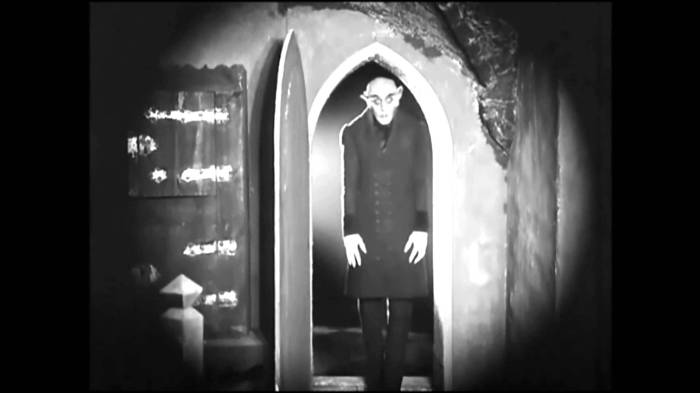
The vampire has undergone a significant transformation in modern literature and popular culture, evolving from a creature of fear and death to a complex and multifaceted being. This resurgence can be attributed to the works of key authors, books, and films that have reimagined the vampire mythos for a contemporary audience. From Anne Rice’s gothic romance to Stephenie Meyer’s teenage heartthrob, the vampire has been reinterpreted and reimagined to cater to diverse tastes and preferences.
With the rise of urban fantasy and paranormal romance, the vampire has become a staple in modern popular culture. The genre has spawned a host of iconic characters, each with their unique backstory, motivations, and desires. Some notable examples include: The mesmerizing Lestat from Anne Rice’s Vampire Chronicles, a charismatic and androgynous creature driven by a hunger for power and immortality.
The brooding and mysterious Edward Cullen from Stephenie Meyer’s Twilight Saga, a sparkly and chiseled vampire who embodies the perfect balance of danger and vulnerability. The witty and irreverent Vlad from Bram Stoker’s Dracula, a cunning and seductive vampire who defies convention and expectation. While the vampire’s physical characteristics have remained relatively consistent – pale skin, piercing eyes, and an unnatural aversion to sunlight – their motivations and desires have undergone a significant transformation.
Contemporary vampires are often portrayed as complex and multifaceted beings, driven by a range of emotions and desires. So, what are the key characteristics of modern vampires? And how do they differ from their traditional depictions? Let’s take a closer look:
Traditional Vampires vs. Modern Vampires
The following table highlights the key differences between traditional and modern vampires, showcasing the evolution of the vampire mythos in contemporary culture.
| Traditional Vampires | Modern Vampires |
|---|---|
| Possessed by a single-minded desire for blood and destruction | Complex and multifaceted beings with a range of emotions and desires |
| Maintained through fear and intimidation | Emerge through a mix of charm, seduction, and vulnerability |
| Driven by a primal urge for survival and dominance | Motivated by a desire for connection, love, and belonging |
| Portrayed as monsters and outcasts | Sometimes humanized and relatable, often with their own moral codes and value systems |
The evolution of the vampire in contemporary culture reflects a shift in societal values and attitudes towards death, love, and immortality. By reimagining the vampire mythos, modern authors and filmmakers have created complex and intriguing characters that resonate with audiences worldwide. As the vampire continues to captivate and inspire us, its evolution will undoubtedly be a fascinating subject for continued exploration and discussion.
The Vampire’s Impact on Modern Culture
The vampire’s resurgence in modern popular culture has had a significant impact on our collective imagination and creative output. From music and literature to film and fashion, the vampire’s influence can be seen in various forms of artistic expression.
- Music: The vampire has inspired a range of musical genres, from gothic rock and metal to romantic and pop ballads. Bands like The Cure, Marilyn Manson, and HIM have all drawn inspiration from the vampire mythos.
- Literature: The vampire has been at the heart of numerous bestsellers and classic novels, including Anne Rice’s Vampire Chronicles and Stephenie Meyer’s Twilight Saga.
- Film: The vampire has been the subject of numerous iconic films, from Nosferatu to Interview with the Vampire and Twilight.
- Fashion: The vampire’s aesthetic has inspired a range of fashion trends, from gothic and punk to romantic and steampunk.
Nosferatu in Modern Times

In the digital age, the vampire legend has experienced a resurgence, with social media, reality TV, and popular culture playing a significant role in shaping the modern understanding of the mythological and historical narrative. From Twilight to True Blood, the vampire has evolved from a bloodthirsty creature to a complex, multi-dimensional character. In this section, we’ll explore the ways in which modern media has influenced the vampire legend, creating new myths and reinforcing traditional stereotypes.
The Rise of Social Media and Vampire Culture
Social media platforms have become a breeding ground for vampire enthusiasts, with Facebook groups, Twitter hashtags, and Instagram accounts dedicated to all things blood-sucking. This online culture has given rise to a new generation of vampire fans, who share and create their own vampire-themed content, from artwork to cosplay. According to a study by the Pew Research Center, 67% of online adults have used social media to share or consume content related to vampire culture.
- Online communities have created a space for fans to share their passion for vampire culture, with many platforms hosting live chats, Q&A sessions, and fan art showcases.
- The rise of social media influencers has led to the creation of vampire-themed content, with many influencers using their platforms to share their own vampire-inspired fashion, makeup, and art.
- The viral success of vampire-themed challenges and memes has further cemented the vampire’s place in modern popular culture.
Vampire Culture in Reality TV and Film
Reality TV shows like The Vampire Diaries and True Blood have helped to popularize the vampire legend, with many shows featuring vampires as central characters. These shows have not only perpetuated traditional vampire stereotypes but have also introduced new twists and interpretations, such as the show’s exploration of vampire-human relationships and the consequences of immortality.
The Evolution of Vampire Fashion and Art
Vampire fashion and art have become increasingly popular, with many designers and artists drawing inspiration from the mythological creature. From Gothic-inspired fashion to vampire-themed artwork, the aesthetic of the vampire has been reimagined and reinterpreted in the modern era.
- The rise of Goth subculture in the 1980s and 1990s helped to popularize vampire-inspired fashion, with many designers incorporating black clothing, fishnet stockings, and other Gothic elements into their designs.
- Contemporary fashion designers have continued to draw inspiration from vampire culture, with many showcasing vampire-themed designs on the runway.
- Vampire-themed artwork has become increasingly popular, with many artists creating pieces that explore the mythology and symbolism of the vampire.
Vampire Culture in Music and Literature
Vampire culture has also influenced the music and literature industries, with many artists and authors drawing inspiration from the mythological creature.
- The rise of indie rock and gothic rock in the 1980s and 1990s helped to popularize vampire-themed music, with many bands incorporating dark, atmospheric soundscapes and lyrics inspired by vampire mythology.
- Contemporary authors have continued to explore the vampire legend in their writing, with many creating complex, multi-dimensional vampire characters.
- The popularity of vampire-themed literature has led to the creation of a new genre, known as “urban fantasy,” which often features vampires and other supernatural creatures as central characters.
Last Point
As we explore the world of Nosferatu near me, we uncover a rich tapestry of ideas, themes, and symbolism, reflecting the human experience in all its complexity and beauty. The vampire’s enduring appeal lies in its ability to tap into our deepest fears and desires, offering a mirror to our collective psyche. As we delve deeper into this captivating world, we invite you to join us on a journey into the heart of the vampire legend, where myth and reality blend into a compelling narrative that continues to captivate and enthrall us to this day.
Top FAQs
Q: What are some common characteristics associated with vampires?
A: Vampires are often linked to supernatural powers, immortality, aversion to garlic, and a strong need for blood, with some depictions also showcasing a sensitivity to sunlight, crosses, or holy water.
Q: Were there any real-life people accused of being vampires?
A: Yes, there have been several historical cases of people accused of being vampires or exhibiting vampiric behaviors, such as Vlad the Impaler, a 15th-century prince from Wallachia who inspired Bram Stoker’s Count Dracula.
Q: How has social media influenced the vampire legend?
A: Social media has perpetuated the vampire legend, creating new myths and reinforcing traditional stereotypes through social media platforms, reality TV, and popular culture, making the modern-day fascination with vampires more widespread than ever.


