Mom son free pron relationships can thrive in today’s fast-paced society by embracing unstructured interactions that promote open communication and shared experiences. By fostering a deep connection, mothers can play a pivotal role in shaping their sons’ emotional intelligence, resilience, and independence.
As mothers, you have a unique opportunity to create an environment that encourages your son’s growth, well-being, and self-awareness. By striking a balance between guidance and freedom, you can help your son develop essential life skills, such as decision-making, problem-solving, and self-reliance.
Embracing and Empowering Vulnerability in Mother-Son Interactions
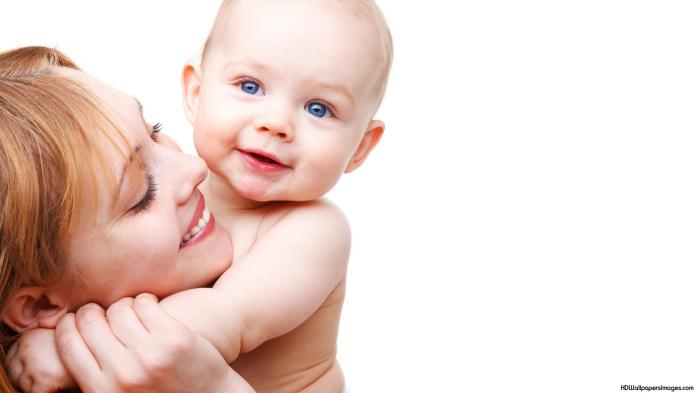
Building strong, lasting relationships between mothers and sons relies on creating a safe, open space for emotional expression and vulnerability. By embracing this dynamic, mothers can foster a deeper connection with their sons, setting the foundation for a lifetime of trust, love, and understanding. Vulnerability is the act of being sensitive to the emotions and opinions of others.
In the context of mother-son relationships, it involves being willing to express and accept emotions without fear of judgment or criticism. When both parties demonstrate empathy and active listening, a culture of openness and trust develops, enabling them to navigate life’s challenges together.
Modeling Healthy Vulnerability as a Mother
Children learn from observing their parents’ behavior, so it’s essential for mothers to model healthy vulnerability. This involves sharing their emotions, concerns, and fears with their sons in a genuine and authentic manner. By doing so, mothers teach their sons that it’s okay to express their feelings and that vulnerability is a sign of strength, not weakness.
- Benefits of Modeling Vulnerability as a Mother
When mothers model healthy vulnerability, they create a ripple effect, encouraging their sons to follow suit. This leads to:
Creating a Safe Space for Emotional Expression
A mother’s role in her son’s life is to provide a safe and supportive environment for him to explore and express his emotions. This involves creating a space where he feels comfortable sharing his thoughts, feelings, and concerns without fear of judgment or criticism. When sons feel safe and accepted, they’re more likely to develop emotional intelligence and navigate life’s challenges with confidence.
- Characteristics of a Safe Space for Emotional Expression
A mother can create a safe space for her son by:
The Power of Empathy in Mother-Son Interactions
Empathy is the ability to understand and share the feelings of another. In a mother-son relationship, empathy is crucial for building trust, fostering emotional intelligence, and creating a deeper connection. By putting herself in her son’s shoes, a mother can better understand his experiences, emotions, and needs.
The more we try to control and manipulate our children, the less likely they are to share their true feelings with us. By contrast, when we model genuine, empathetic communication, our children feel seen, heard, and understood, which helps build a foundation for lifelong trust and connection.
As a parent navigating the world of online content, you might be searching for mom son free pron, but did you know that a more pressing concern for many is finding quality seafood at a nearby Captain’s Boil, a popular eatery with locations scattered across the country, as seen at the captain’s boil near me website. Once you’ve satisfied your seafood craving, you can refocus on creating content safe for your kids.
Empowerment Through Emotional Expression
When mothers empower their sons to express their emotions, they give them a powerful tool for navigating life’s challenges. By doing so, sons develop emotional intelligence, learn to regulate their emotions, and become more self-aware. This, in turn, enables them to make informed decisions, build stronger relationships, and achieve their goals.
Fostering Resilience and Emotional Intelligence in Son Development
As a mother, you play a profound role in shaping your son’s emotional intelligence and resilience. Your influence can either positively or negatively impact his ability to navigate life’s challenges. By modeling healthy emotional expression, you can teach your son valuable skills that will benefit him throughout his life. Emotional intelligence is a critical component of a person’s overall well-being, and research has shown that it can be developed and strengthened over time.
Modeling Healthy Emotional Expression
Mothers have a unique opportunity to teach their sons how to express and manage their emotions in a healthy way. By modeling emotional intelligence themselves, mothers can show their sons that it’s okay to feel and express emotions in a positive and productive manner. This can be achieved by openly discussing emotions, acknowledging and validating feelings, and showing empathy towards others.
Open Emotional Expression
Mothering involves being vulnerable, being open, being emotionally expressive, and not being afraid to show their emotions.
When mothers openly express their emotions, they create a safe space for their sons to do the same. This enables sons to develop a deeper understanding of emotions and learn how to navigate complex emotional situations.
Teaching Emotional Regulation
Emotional regulation is the ability to manage and control one’s emotions. Mothers can teach their sons emotional regulation skills by:
- Encouraging sons to take breaks and engage in self-care activities, such as exercise or relaxation techniques, when they’re feeling overwhelmed;
- Modeling healthy coping mechanisms, such as deep breathing or problem-solving, in response to stressful situations;
- Providing constructive feedback and guidance on managing emotions in a healthy way;
- Encouraging sons to practice self-awareness by recognizing and acknowledging their emotions.
Strategies for Fostering Emotional Intelligence and Resilience
In addition to modeling healthy emotional expression and teaching emotional regulation skills, mothers can use the following strategies to foster emotional intelligence and resilience in their sons:
-
Positive Reinforcement
By acknowledging and rewarding positive emotional expressions, mothers can encourage their sons to develop a growth mindset and become more emotionally intelligent.
-
Constructive Feedback
Providing constructive feedback and guidance on managing emotions can help sons develop self-awareness and improve their emotional regulation skills.
-
Social Skills Development
Encouraging sons to develop social skills, such as active listening and effective communication, can help them build stronger relationships and navigate complex social situations.
Essential Parenting Practices for Fostering Resilience and Emotional Intelligence
The following parenting practices are essential for fostering resilience and emotional intelligence in sons:
Validation of Emotions
Validating emotions involves acknowledging and accepting a child’s feelings, even if they’re not in line with your own values or expectations.
Emotional Labeling
Emotional labeling involves teaching sons to recognize and identify their emotions, which can help them develop self-awareness and improve emotional regulation skills.
Self-Awareness
Self-awareness involves recognizing and understanding one’s emotions, values, and motivations. Mothers can teach their sons self-awareness by:
- Encouraging sons to reflect on their thoughts, feelings, and behaviors;
- Modeling self-awareness by sharing your own thoughts, feelings, and struggles;
- Providing opportunities for sons to engage in activities that promote self-awareness, such as journaling or meditation.
Creating a Culture of Gratitude and Appreciation in Mother-Son Interactions

In today’s fast-paced world, it’s easy to get caught up in the daily grind and forget to appreciate the little things. However, cultivating a culture of gratitude and appreciation in mother-son interactions can have a profound impact on their relationship and overall well-being. By encouraging their sons to focus on the positive and express gratitude, mothers can help them develop a more optimistic outlook and stronger bonds of love and respect.
Benefits of Cultivating a Culture of Gratitude
Cultivating a culture of gratitude and appreciation in mother-son interactions has numerous benefits. For one, it can strengthen their bond and create a sense of closeness and connection. Additionally, it can promote positive attitudes and behaviors, such as empathy, kindness, and self-awareness. By focusing on the good things in life, mothers and sons can develop a more optimistic outlook, reducing stress and anxiety and improving overall mental well-being.
Fostering a healthy relationship between mothers and sons can be a delicate balance. Research suggests that engaging in wholesome activities can significantly strengthen their bond. This might include exploring youth bible study lessons pdf free resources to spark meaningful conversations. By prioritizing open communication and mutual respect, moms can create a safe space for their sons to grow and develop, ultimately leading to a deeper understanding and trust.
Modeling Gratitude and Appreciation
As role models, mothers have a significant impact on their sons’ behavior and attitudes. By modeling gratitude and appreciation, mothers can encourage their sons to do the same. This can be achieved by:
- Expressing gratitude and appreciation for their sons’ efforts, accomplishments, and actions.
- Practicing mindfulness and appreciation for the small things in life, such as a beautiful sunset or a good cup of coffee.
- Sharing stories of gratitude and appreciation with their sons, such as stories of overcoming challenges or finding joy in unexpected places.
By modeling gratitude and appreciation, mothers can create a ripple effect, inspiring their sons to develop a more positive and optimistic outlook on life. This, in turn, can lead to stronger relationships, improved mental health, and a greater sense of overall well-being.
Encouraging a Growth Mindset, Mom son free pron
In addition to modeling gratitude and appreciation, mothers can also encourage their sons to adopt a growth mindset. This involves recognizing that intelligence and abilities can be developed through hard work, dedication, and persistence. By encouraging a growth mindset, mothers can help their sons develop:
- A stronger sense of self-efficacy, or confidence in their ability to overcome challenges.
- A greater willingness to take risks and try new things.
- A more optimistic outlook on failure and setbacks, viewing them as opportunities for growth and learning.
By encouraging a growth mindset, mothers can help their sons develop a more resilient and adaptable approach to life, better equipping them to navigate its challenges and uncertainties.
Teaching Gratitude in Everyday Life
Teaching gratitude and appreciation is not limited to special occasions or events. In fact, it can be incorporated into everyday life in a variety of ways. For example:
- Having a daily or weekly “gratitude practice,” where mothers and sons take turns sharing things they are grateful for.
- Writing gratitude journals or letters, where mothers and sons express their appreciation for people, places, and things.
- Creating a “gratitude jar,” where mothers and sons write down things they are grateful for on slips of paper and reflect on them at the end of each day or week.
By incorporating gratitude and appreciation into everyday life, mothers can help their sons develop a more positive and optimistic outlook, even in the face of challenges and adversity.
Ending Remarks

The journey of nurturing a free and supportive mom son relationship is not without its challenges, but with the right mindset and strategies, you can overcome obstacles and create a strong bond with your son. By prioritizing open communication, mutual respect, and emotional intelligence, you can help your son grow into a confident, capable, and compassionate individual.
Remember, the key to a successful mom son relationship lies in embracing vulnerability, empathy, and trust. By creating a safe and supportive environment, you can help your son develop essential life skills and build a strong foundation for a happy, healthy, and fulfilling life.
Question Bank: Mom Son Free Pron
Q: How can I create a safe space for my son to express his emotions and concerns?
A: Establish a non-judgmental environment where your son feels comfortable sharing his feelings and thoughts. Practice active listening and empathy to show him that you value his emotions and are there to support him.
Q: What are some strategies for promoting my son’s emotional intelligence and resilience?
A: Model healthy emotional expression, teach empathy and self-awareness, and encourage positive reinforcement and constructive feedback. Also, engage your son in activities that promote self-regulation and social skills.
Q: How can I strike a balance between guidance and freedom in our relationship?
A: Set clear boundaries and expectations while also giving your son space to make decisions and learn from his mistakes. Encourage him to take ownership of his actions and provide guidance only when necessary.
