Milk lactose free is the solution for those who struggle with lactose intolerance, and it’s more than just a fad – it’s a game-changer for the dairy industry. With demand on the rise, the market is flooded with alternatives, from almond and soy milk to coconut and oat milk, each with its unique nutritional profile and processing methods. But which one is right for you?
In this comprehensive guide, we’ll delve into the world of milk lactose free, exploring the benefits, the science, and the practical applications.
From the basics of lactose intolerance to the nuances of non-dairy milk production, we’ll cover it all, providing you with the knowledge and confidence to navigate the ever-changing landscape of milk lactose free. Whether you’re a health enthusiast, a foodie, or simply looking for a better understanding of the dairy industry, this guide is your ultimate resource.
Characteristics of Lactose-Free Milk Alternatives
As the demand for lactose-free milk alternatives continues to rise, understanding their characteristics is crucial for individuals with lactose intolerance or preferences for plant-based diets. Lactose-free milk alternatives have made significant strides in mimicking the taste and nutritional content of traditional dairy milk, while also catering to the needs of those with dietary restrictions.Unlike traditional dairy milk, lactose-free milk alternatives differ in composition and nutritional value.
For instance, almond milk is lower in calories and rich in vitamins, while soy milk is higher in protein and isoflavones. Coconut milk, on the other hand, is rich in medium-chain triglycerides (MCTs) and has a distinct flavor profile.
Composition of Lactose-Free Milk Alternatives
The composition of lactose-free milk alternatives varies significantly from traditional dairy milk. Here’s a comparison of the nutritional content of some popular lactose-free milk alternatives:
| Milk Alternative | Calories (per cup) | Protein (grams) | Calcium (mg) |
|---|---|---|---|
| Almond Milk | 30-60 | 1-2 | 450-600 |
| Soy Milk | 80-100 | 8-10 | 450-600 |
| Coconut Milk | 50-70 | 1-2 | 60-120 |
Processing of Lactose-Free Milk Alternatives
Lactose-free milk alternatives are processed to remove lactose and preserve their natural flavor and nutritional content. Here are some examples:* Almond milk is made from almonds and water, with the addition of emulsifiers and stabilizers to enhance its texture and shelf life.
- Soy milk is made from soybeans and water, with the addition of thickeners and flavor enhancers to improve its taste and texture.
- Coconut milk is made from the flesh of mature coconuts, with the addition of water and emulsifiers to create a creamy texture.
Health Benefits of Lactose-Free Milk Alternatives
Consuming lactose-free milk alternatives has several potential health benefits, including:* Reduced symptoms of lactose intolerance: Lactose-free milk alternatives are designed to be easily digestible for individuals with lactose intolerance.
Increased protein intake
Many lactose-free milk alternatives are high in protein, making them an excellent option for athletes and individuals with high protein needs.
Improved heart health
Some lactose-free milk alternatives, such as almond milk and soy milk, are low in saturated fat and high in unsaturated fat, making them a heart-healthy option.
Understanding Lactose Intolerance and Its Effects on the Human Body

Lactose intolerance is a common condition where individuals experience symptoms such as bloating, gas, and stomach cramps after consuming dairy products or lactose-containing foods. The condition arises due to a deficiency of the enzyme lactase in the small intestine, which is responsible for breaking down lactose, a sugar found in milk and other dairy products.
Role of Lactase in the Human Digestive System
Lactase is a crucial enzyme produced in the small intestine that breaks down lactose into easily absorbable sugars, glucose and galactose. This process allows lactose to be digested and utilized for energy production in the body. A deficiency of lactase enzyme results in undigested lactose reaching the large intestine, where bacteria ferment the sugar, producing gas and causing a range of uncomfortable symptoms.
Primary and Secondary Lactose Intolerance
Primary lactose intolerance occurs when individuals naturally produce less lactase enzyme in their small intestine. This condition is the most common form of lactose intolerance and affects a significant portion of the global population. Secondary lactose intolerance, on the other hand, arises from various factors such as certain medical conditions, certain medications, and gastrointestinal infections that damage the small intestine and reduce lactase production.
Prevalence of Lactose Intolerance
Lactose intolerance is more prevalent in populations that are not of European descent, with estimates suggesting that up to 65% of the world’s population may experience some form of lactose intolerance. In the United States, it is most common among African Americans, Hispanics, and Asians, affecting up to 50% of these populations. Geographical regions with low lactase production also have a higher prevalence of lactose intolerance, such as in Africa and the Middle East.
Symptoms of Lactose Intolerance
Individuals with lactose intolerance often experience a range of symptoms after consuming dairy products or lactose-containing foods. These symptoms may include bloating and gas, abdominal cramps and pain, diarrhea, and nausea. In some cases, lactose intolerance can lead to more severe symptoms such as dehydration and electrolyte imbalance, particularly in individuals with underlying medical conditions.
Who is Most Susceptible to Lactose Intolerance Symptoms?
Infants and young children are more susceptible to lactose intolerance symptoms due to their developing digestive system. As they grow older, their lactase production increases, but in some cases, they may retain a predisposition to lactose intolerance. Additionally, individuals with certain medical conditions, such as celiac disease or Crohn’s disease, may experience increased lactose intolerance symptoms.
Types of Lactose Intolerance
There are several types of lactose intolerance, including congenital lactose intolerance, which is a rare genetic disorder that occurs when an infant is born without the ability to produce lactase enzyme. Acquired lactose intolerance can develop due to certain medical conditions, while secondary lactose intolerance can arise from various factors such as gastrointestinal infections.
Lactose-Free Milk Options for Special Diets

When it comes to special diets, finding the right lactose-free milk alternatives can be a challenge. From vegan to paleo, each diet has its unique requirements and restrictions. In this article, we’ll explore lactose-free milk options that cater to specific diets and discuss the importance of choosing allergen-friendly alternatives.
Vegan Lactose-Free Milk Alternatives
For vegans, choosing a lactose-free milk alternative that is also free from animal-derived ingredients is crucial. Some popular options include:
- Soy milk: Made from soy beans, soy milk is a popular choice for vegans. However, some brands may contain nuts or other allergens, so it’s essential to choose a brand that is free from common allergens.
- Almond milk: Almond milk is a low-calorie, dairy-free alternative that is rich in vitamins and minerals. Look for brands that are fortified with calcium and vitamins D and B12.
- Coconut milk: Coconut milk is a creamy and delicious alternative to dairy milk. Look for brands that are low in saturated fat and free from additives and preservatives.
- Oat milk: Oat milk is a plant-based milk alternative that is made by soaking oats in water and blending them with water. It’s a great choice for those with nut allergies or intolerances.
When choosing a vegan lactose-free milk alternative, look for brands that are certified by organizations such as the Vegan Society or PETA.
Gluten-Free Lactose-Free Milk Alternatives
For those with gluten intolerance or sensitivity, choosing a lactose-free milk alternative that is also gluten-free is essential. Some popular options include:
- Rice milk: Rice milk is a low-calorie, dairy-free alternative that is naturally gluten-free. Look for brands that are fortified with calcium and vitamins D and B12.
- Quinoa milk: Quinoa milk is a protein-rich, dairy-free alternative that is naturally gluten-free. Look for brands that are fortified with vitamins and minerals.
- Hemp milk: Hemp milk is a nut-free, dairy-free alternative that is rich in protein and essential fatty acids. Look for brands that are gluten-free and free from additives and preservatives.
When choosing a gluten-free lactose-free milk alternative, look for brands that are certified by organizations such as the Gluten-Free Certification Organization (GFCO) or the Celiac Support Association (CSA).
Paleo Lactose-Free Milk Alternatives
For those following a paleo diet, choosing a lactose-free milk alternative that is also free from grains and added sugars is crucial. Some popular options include:
- Cow’s milk: Yes, you read that right! Some people with lactose intolerance or sensitivity may still be able to tolerate cow’s milk. Look for brands that are grass-fed and free from additives and preservatives.
- Macadamia milk: Macadamia milk is a nut-based milk alternative that is rich in healthy fats and protein. Look for brands that are free from additives and preservatives.
- Hazelnut milk: Hazelnut milk is a nut-based milk alternative that is rich in vitamin E and protein. Look for brands that are free from additives and preservatives.
- Pistachio milk: Pistachio milk is a nut-based milk alternative that is rich in protein and fiber. Look for brands that are free from additives and preservatives.
When choosing a paleo lactose-free milk alternative, look for brands that are certified by organizations such as the Paleo Foundation or the Paleo Diet Certification Board.Remember to always read labels and choose brands that align with your dietary requirements and preferences. Happy shopping!
Choosing the right lactose-free milk alternative can make a big difference in your health and well-being. Don’t compromise – choose a brand that is certified by a reputable organization and made with high-quality, nutrient-rich ingredients.
Label Claims and Nutrition Facts for Lactose-Free Milk
Lactose-free milk products have become increasingly popular, but navigating the nuances of label claims and nutrition facts can be overwhelming. To make informed choices, it’s essential to understand what these labels mean and how they impact the nutritional content of the product.Lactose-free milk products often boast various label claims, such as “lactose-free,” “low-lactose,” and “casein-free.” These terms can be misleading, as they don’t necessarily indicate that the product is healthier or lower in calories.
Milk lactose-free products have seen a significant surge in demand, driven by increasing awareness and concerns over dietary restrictions. Many consumers are now seeking out alternatives like almond milk and soy milk, but for those who still prefer traditional cow’s milk, the debate continues – much like the one on whether Seeking Alpha’s premium content is worth the investment versus its free offerings ( seeking alpha premium vs free ); ultimately, the choice comes down to individual priorities, and the same is true for milk choices, with many opting for lactose-free formulations to maintain digestibility and overall gut health.
Instead, they focus on the absence of lactose, a sugar found in milk, or the presence of casein, a protein found in milk.
Navigating Label Claims
Lactose-free milk products are made by replacing or removing the lactose enzyme, which breaks down lactose into easily digestible sugars. This process can result in a product that is lower in lactose but may be higher in added sugars or sodium. Conversely, low-lactose milk products may contain more lactose than lactose-free products but still offer a gentler digestive experience.Here’s a breakdown of common label claims and their implications:
-
Lactose-free: This label indicates that the product has been treated to remove or replace lactose, making it suitable for individuals with lactose intolerance.
-
Example: Lactaid lactose-free milk contains 9 grams of added sugars and 120 milligrams of sodium per cup.
Impact: These added sugars may contribute to a higher calorie count and sugar intake, potentially negatively affecting overall health.
-
-
Low-lactose: This label suggests that the product contains a lower amount of lactose than regular milk.
-
Example: Horizon Organic low-lactose milk contains 6 grams of lactose and 120 milligrams of sodium per cup.
Impact: While lower in lactose, this product still contains some lactose and may be more suitable for individuals with mild lactose intolerance.
-
-
Casein-free: This label indicates that the product does not contain casein, a protein found in milk.
-
Example: Kite Hill casein-free milk contains 9 grams of added sugars and 120 milligrams of sodium per cup.
Impact: This product is likely to be more suitable for individuals with casein sensitivity or intolerance.
-
Nutritional Differences Between Lactose-Free Milk and Other Milk Alternatives
When comparing lactose-free milk to other milk alternatives, such as almond or soy milk, it’s essential to consider the nutritional content. Here’s a breakdown of the key differences:
| Milk Alternative | Calories per cup | Protein per cup | Saturated fat per cup |
|---|---|---|---|
| Lactose-free milk (e.g., Lactaid) | 130 | 9g | 4g |
| Almond milk (e.g., Almondmilk) | 60 | 1g | 0g |
| Soy milk (e.g., Silk) | 110 | 8g | 0g |
These differences can significantly impact overall health and nutrition. For instance, lactose-free milk is higher in calories and saturated fat compared to almond milk but lower in calories compared to soy milk. It’s essential to choose the right milk alternative based on individual nutritional needs and dietary requirements.
Making Informed Choices When Selecting Lactose-Free Milk Products
To make informed choices when selecting lactose-free milk products, consider the following tips:
-
Read nutrition labels carefully: Pay attention to added sugars, sodium, and saturated fat content.
Example: Lactaid lactose-free milk contains 9 grams of added sugars and 120 milligrams of sodium per cup.
-
Compare nutrition labels: Consider the nutritional content of different lactose-free milk products.
Example: Horizon Organic low-lactose milk contains 6 grams of lactose and 120 milligrams of sodium per cup.
-
Consider the source: Choose lactose-free milk products from reputable brands that prioritize nutritional content and sustainability.
Example: Kite Hill casein-free milk is made from grass-fed cows and contains 9 grams of added sugars and 120 milligrams of sodium per cup.
If you’re lactose intolerant, you know that finding milk alternatives can be a game-changer, just like discovering that Is eHarmony free? – it’s all about exploring new options and finding what works for you. Similarly, switching to lactose-free milk can be a lifesaver, and it’s now widely available in most supermarkets, making it easier than ever to enjoy your favorite dairy products without any discomfort.
By understanding label claims and nutrition facts, individuals with lactose intolerance or sensitivity can make informed choices when selecting lactose-free milk products, ensuring a healthier and more enjoyable diet.
Lactose-Free Milk and Nutrition for Different Life Stages
Lactose-free milk is a nutritious beverage that plays a vital role in the diets of individuals across various life stages, from infancy to adulthood. While traditional cow’s milk contains lactose, a primary carbohydrate found in milk, lactose-free milk is an excellent alternative for those with lactose intolerance. Here, we’ll explore the importance of lactose-free milk in the diets of infants, children, and adults, highlighting its role in maintaining bone health and development.
Infancy and Lactose-Free Milk
Lactose-free milk is a suitable choice for infants with lactose intolerance or digestive issues. Breastfeeding is still the best option, but lactose-free milk can be a reliable alternative for formula-fed infants. Calcium and other essential nutrients in lactose-free milk support bone growth and development. The American Academy of Pediatrics recommends lactose-free formula for infants with lactose intolerance or those who cannot tolerate lactose.
- Calcium and vitamin D are crucial for bone development in infants.
- Lactose-free milk alternatives can be a suitable option for infants with lactose intolerance or digestive issues.
- Consult a pediatrician for the best lactose-free milk alternative for your infant.
Children and Lactose-Free Milk, Milk lactose free
Children require adequate calcium and vitamin D intake to support bone growth and development. Lactose-free milk can be an excellent choice for children with lactose intolerance or digestive issues. Ensure your child consumes lactose-free milk regularly to support their growth and development. Many schools and daycare centers offer lactose-free milk alternatives, making it easier for children to access this essential nutrient.
- Lactose-free milk can be added to smoothies, juices, or cereal for an easy source of calcium and vitamin D.
- Cover your child’s lactose-free milk container with a label or picture to avoid mix-ups with other milk alternatives.
- Consult a pediatrician or registered dietitian for personalized lactose-free milk recommendations.
Adults and Lactose-Free Milk
Adults with lactose intolerance or digestive issues can benefit from lactose-free milk. Calcium and vitamin D in lactose-free milk support bone health, which becomes increasingly important as we age. Consuming lactose-free milk regularly can help reduce the risk of osteoporosis and fractures. If you’re lactose intolerant, choose lactose-free milk to incorporate calcium and other essential nutrients into your diet.
- Lactose-free milk can be an excellent source of calcium and vitamin D, essential for maintaining bone health in adults.
- Carefully monitor calcium intake through lactose-free milk and other sources, as excessive consumption may lead to an increased risk of kidney stones.
- Making gradual changes to your diet can help reduce symptoms of lactose intolerance when introducing lactose-free milk.
Bone Health and Lactose-Free Milk
Consuming lactose-free milk regularly can help support bone health and reduce the risk of osteoporosis and fractures. Adequate calcium and vitamin D intake through lactose-free milk can lead to better bone mineral density and reduced risk of bone-related issues. While lactose-free milk can help, it’s essential to incorporate other calcium-rich foods into your diet, such as leafy greens, fish, and fortified plant-based milk alternatives.
Lactose-Free Milk and Food Pairing Suggestions
Lactose-free milk has become a staple in many households, providing a convenient and accessible alternative to traditional dairy milk. With its neutral flavor and versatility, lactose-free milk can be easily incorporated into a variety of cuisines, from spicy Indian curries to rich Italian desserts. In this section, we’ll explore some delicious lactose-free milk pairing suggestions, cooking methods, and recipe ideas to get you started.
Indian Cuisine Pairings
Indian cuisine is known for its rich and complex flavor profiles, making it an ideal match for lactose-free milk. When paired with Indian dishes, lactose-free milk adds a creamy texture and subtle sweetness, balancing out the bold spices. Try pairing lactose-free milk with popular Indian dishes like:
- Korma: A creamy and mild curry made with yogurt, nuts, and spices, perfect for using lactose-free milk as a substitute.
- Palak Paneer: A creamy spinach curry with paneer (Indian cheese), where lactose-free milk can be used to create a smooth and velvety texture.
- Rogan Josh: A spicy Kashmiri dish made with lamb, cardamom, and Saffron, where lactose-free milk can be used to reduce the heat and add creaminess.
Mexican Cuisine Pairings
Mexican cuisine is known for its bold and vibrant flavors, making it an excellent match for lactose-free milk. Lactose-free milk can be used to create creamy sauces, dressings, and marinades that complement the rich flavors of Mexican dishes. Try pairing lactose-free milk with popular Mexican dishes like:
- Chiles Rellenos: Roasted poblano peppers stuffed with cheese, battered, and fried, where lactose-free milk can be used to create a creamy filling.
- Carne Asada: A grilled steak dish served with beans, rice, and salsa, where lactose-free milk can be used to create a tangy and creamy sauce.
- Chili con Carne: A spicy beef stew made with beans, tomatoes, and chili peppers, where lactose-free milk can be used to reduce the heat and add creaminess.
European Cuisine Pairings
European cuisine is known for its rich and indulgent flavors, making it an ideal match for lactose-free milk. Lactose-free milk can be used to create creamy sauces, dressings, and desserts that complement the bold flavors of European dishes. Try pairing lactose-free milk with popular European dishes like:
- Crème Brûlée: A rich and creamy dessert made with cream, sugar, and eggs, where lactose-free milk can be used to create a smooth and velvety texture.
- Bechamel Sauce: A creamy white sauce made with butter, flour, and milk, where lactose-free milk can be used to create a smooth and velvety texture.
- Fruit Tart: A sweet and tangy dessert made with fresh fruit, pastry cream, and pastry, where lactose-free milk can be used to create a creamy and smooth pastry cream.
Using Lactose-Free Milk in Baking
Lactose-free milk can be used as a substitute in baked goods, such as cakes, muffins, and cookies. When using lactose-free milk in baking, keep the following tips in mind:
- Use lactose-free milk in place of regular milk in recipes.
- Add a pinch of salt to balance out the sweetness and flavor.
- Use a combination of lactose-free milk and water or cream to achieve the desired consistency.
Recipe: Lactose-Free Milk-Based Panna Cotta
Panna cotta is a creamy and indulgent Italian dessert made with sweetened cream and gelatin. To make a lactose-free milk-based panna cotta, follow the recipe below:
| Ingredients | Instructions |
|---|---|
| 1 cup lactose-free milk | Combine lactose-free milk, sugar, and gelatin in a saucepan over medium heat, stirring until dissolved. |
| 1 tablespoon vanilla extract | Remove from heat and stir in vanilla extract. |
| Pour into individual serving cups and refrigerate until set. |
Summary: Milk Lactose Free
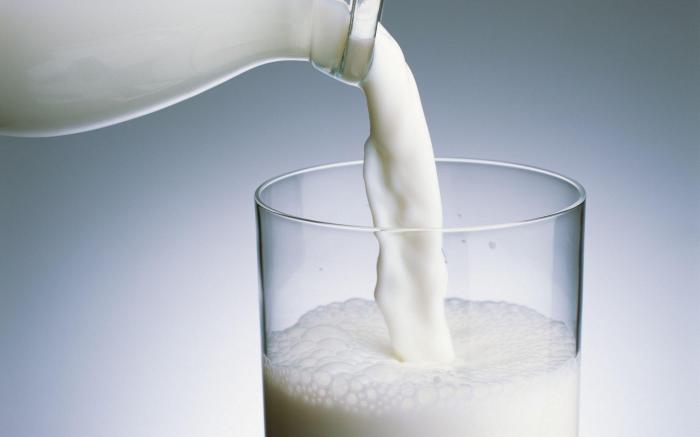
As we conclude our journey into the world of milk lactose free, it’s clear that this trend is here to stay. With its numerous health benefits, environmental advantages, and versatility in cooking and baking, milk lactose free is a must-have in every household. From the producers to the consumers, the milk lactose free industry is undergoing a revolution, and it’s time to join the movement.
By choosing milk lactose free, you’re not only improving your health but also contributing to a more sustainable and compassionate food system.
FAQ Section
Q: Can I make my own lactose-free milk at home?
A: Yes, you can make lactose-free milk at home using various non-dairy sources, such as nuts, seeds, or soy. There are many recipes available online that can guide you through the process.
Q: Are all lactose-free milks created equal?
A: No, not all lactose-free milks are created equal. Some may contain added sugars, sodium, or saturated fat, while others may be fortified with additional nutrients. Always check the label and choose a lactose-free milk that suits your dietary needs and preferences.
Q: Can I use lactose-free milk as a substitute in all recipes?
A: While lactose-free milk can be used as a substitute in many recipes, it’s essential to note that it may affect the texture and flavor. Start with small batches and adjust as needed to achieve the desired result.
