Delving into cat neutering near me, millions of pet owners are turning to a simple yet effective solution to address health problems, prevent undesirable behaviors, and even save their cat’s life. With numerous benefits, including reduced roaming and aggression, neutering is proving to transform the lives of domestic felines. In this article, we will explore the benefits and procedures of cat neutering near you.
Cat neutering near me is a crucial process that not only benefits the cat’s health but also the environment. By understanding the factors to consider when choosing a neuterer, cat owners can ensure their pets receive the best possible care. Additionally, with various surgical methods available, such as ovariohysterectomy and orchiectomy, cat owners can make informed decisions about their cat’s neutering procedure.
Benefits of Neutering a Cat Near You
Neutering your cat can have a substantial impact on its behavior, health, and overall well-being. As a responsible cat owner, understanding the benefits of neutering your feline friend can make a world of difference. By neutering your cat, you can experience a range of positive effects that will not only improve your pet’s life but also create a more harmonious living environment for everyone involved.
1. Reduced Roaming and Aggression
Cats that are not neutered often engage in excessive roaming, which can lead to accidents, injuries, and even life-threatening situations. Additionally, intact male cats may exhibit aggressive behavior, such as fighting and spraying, to mark their territory and establish dominance. By neutering your cat, you can significantly reduce the likelihood of these behaviors, creating a safer and more peaceful living space for your pet and those around it.
- Cats that are not neutered are up to 3.5 times more likely to be hit by a car while roaming.
- Intact male cats may fight with other males, resulting in serious injuries or even fatalities.
- Neutered cats are less prone to spraying and marking their territory with urine.
Neutering your cat can drastically reduce the risk of roaming and aggression, creating a more enjoyable and stress-free living environment for everyone.
2. Reduced Health Risks
Neutering your cat can help prevent various health issues, including certain types of cancer, testicular hernias, and abscesses. By spaying or neutering your cat, you can protect your pet from these conditions and ensure a longer, healthier life.
- Certain types of cancer, such as testicular cancer, are up to 85% more common in intact male cats.
- Neutering can prevent testicular hernias, which can be painful and even life-threatening.
- Spaying or neutering can reduce the risk of abscesses and other urinary tract infections.
By neutering your cat, you can significantly reduce the risk of various health issues and promote a healthier, more balanced life.
3. Prevention of Unwanted Litters
If you’re not planning to breed your cat, it’s essential to neuter or spay your pet to prevent unwanted litters. Uncontrolled breeding can lead to overpopulation, which can result in countless abandoned cats and kittens.
Each year, animal shelters across the United States take in an estimated 6-8 million cats and kittens.
By neutering your cat, you can help prevent the cycle of overpopulation and ensure that your pet doesn’t contribute to this crisis.
4. Reduced Risk of Diseases
Neutering or spaying your cat can also prevent the spread of certain diseases, such as feline leukemia and feline immunodeficiency virus. These diseases can be transmitted through contact with an infected cat’s bodily fluids, and neutering can significantly reduce the risk of transmission.
- Feline leukemia is a contagious disease that can be transmitted through saliva, urine, and tears.
- Neutering can reduce the risk of transmitting feline immunodeficiency virus (FIV) to other cats.
By neutering your cat, you can protect your pet from these diseases and prevent the spread of illness to other cats.
5. Reduced Spraying and Marking
Intact male cats often engage in spraying and marking their territory, which can be unpleasant and even difficult to clean. Neutering your cat can reduce the likelihood of this behavior, creating a more pleasant living environment for everyone.
A study by the American Veterinary Medical Association found that up to 70% of intact male cats will spray or mark their territory.
By neutering your cat, you can significantly reduce the risk of spraying and marking, ensuring a cleaner and more enjoyable living space.
Preparing Your Cat for Neutering
Pre-operative care and management of your cat’s diet and health are crucial for a smooth and successful neutering process. A well-prepared cat will not only reduce the risk of complications but also ensure a faster recovery. In this section, we will guide you through the essential steps to prepare your cat for neutering.
Pre-Surgical Care and Management
It’s essential to take your cat to the vet for a pre-surgical examination to discuss any health concerns or medications they may be taking. Your vet will also advise on any specific instructions, such as fasting before the surgery. Additionally, ensure your cat has all the necessary vaccinations and health checks before the operation. For example, a recent veterinary examination revealed that un-neutered cats are more likely to contract testicular cancer, which highlights the importance of prompt action.
Neutering your cat near me is a crucial decision, but have you considered the benefits of a post-operative stroll with your furry friend? After the procedure, a nearby park within 1 mi can provide a calming and peaceful environment for both you and your cat to unwind and help them recover smoothly. As a result, they’ll be in top shape for their first vaccination and future health checks, ensuring a happy and healthy feline companion.
- Get your cat weighed and measured to determine the correct dosage of anesthesia and pain medication.
- Discuss any health concerns or medications with your vet to determine the best course of action.
- Ensure your cat has all necessary vaccinations and health checks.
Diet and Nutrition, Cat neutering near me
Maintaining a balanced diet and proper hydration before and after surgery is crucial for your cat’s recovery. A well-nourished cat will be able to heal faster and with fewer complications. Avoid feeding your cat anything heavy or rich in the days leading up to surgery, and focus on a light, easily digestible diet.
Avoid feeding your cat anything heavy or rich in the days leading up to surgery to reduce digestive complications.
- Feed a light, easily digestible diet in the days leading up to surgery.
- Avoid giving your cat treats or table scraps.
- Maintain proper hydration by providing fresh water at all times.
Helping Your Cat Feel Calm and Relaxed
Reducing stress and anxiety in the days leading up to surgery is essential for your cat’s well-being. You can help your cat feel more calm and relaxed by providing a quiet, comfortable space and avoiding any situations that may cause stress. Additionally, consider using calming aids such as pheromone diffusers or calming treats. Research has shown that cats exposed to calming aids exhibited lower stress levels in comparison to those without such exposure.
- Provide a quiet, comfortable space for your cat to relax.
- Avoid situations that may cause stress, such as loud noises or visitors.
- Consider using calming aids such as pheromone diffusers or calming treats.
The Recovery Period
The recovery period is a critical time for your cat to heal and recover from the surgery. It’s essential to follow your vet’s instructions carefully and provide a safe and comfortable environment for your cat to rest and recover. Restrict your cat’s exercise and prevent them from jumping or climbing for a few days after the surgery.
Restrict your cat’s exercise and prevent them from jumping or climbing for a few days after the surgery to reduce complications.
- Follow your vet’s instructions carefully.
- Provide a safe and comfortable environment for your cat to rest and recover.
- Restrict your cat’s exercise and prevent them from jumping or climbing.
Aftercare and Post-Operative Care Routine

Proper post-operative care is crucial for a smooth and successful recovery for your cat after neutering. By following a well-planned routine, you can minimize the risk of complications and ensure your cat’s health and comfort.
Specific Care Instructions Provided by Your Veterinarian
Your veterinarian will provide you with personalized care instructions tailored to your cat’s specific needs. Make sure to follow these guidelines carefully, as they will vary depending on your cat’s age, health, and the type of surgery performed. Some common care instructions may include:
- Monitoring your cat’s pain levels and reporting any changes to your veterinarian.
- Administering prescribed medication as directed to manage pain, inflammation, and infection.
- Providing a quiet, comfortable, and warm environment for your cat to recover.
- Restricting your cat’s activity level to prevent excessive movement or straining.
- Avoiding bathing or grooming your cat until the incision site is fully healed.
Common Complications and How to Address Them
While rare, complications can arise after neutering, and it’s essential to recognize the signs and symptoms early on to prevent long-term damage. Some common complications include:
- Pain or discomfort: If your cat is exhibit excessive meowing, pacing, or restlessness, it may indicate pain or discomfort. Contact your veterinarian for guidance on managing pain medication.
- Infection: Monitoring the incision site for signs of redness, swelling, or discharge is crucial. If you notice any of these symptoms, contact your veterinarian immediately.
- Adhesions: In some cases, adhesions may form between the abdominal wall and the incision site. Your veterinarian may recommend additional treatment to prevent adhesions or address existing ones.
- Hemorrhage: Although rare, hemorrhage can occur due to the surgery. Be aware of any signs of bleeding, such as bright red blood or clots, and contact your veterinarian promptly.
What to Expect During the Recovery Period
The recovery period can vary depending on your cat’s age, health, and the type of surgery performed. Your veterinarian will provide you with a general idea of what to expect during the recovery period, including:
- The length of time your cat will need to rest and recover.
- The frequency and duration of follow-up appointments.
- The need for additional treatment, such as antibiotics or pain medication.
By following a well-planned care routine and being aware of potential complications, you can ensure your cat’s health and comfort during the recovery period.
Environmental Impact of Cat Neutering
Cat neutering is not just a procedure for individual pet owners, but also has significant ecosystem-wide benefits. As the world grapples with the impacts of climate change, biodiversity loss, and pollution, it’s essential to examine the role that free-roaming cats can play in exacerbating these issues. By understanding the environmental impact of cat neutering, we can better appreciate the importance of this practice in maintaining a healthy ecosystem.
The Ecological Benefits of Reducing Free-Roaming Cat Populations
Free-roaming cats can have devastating effects on local ecosystems, including the spread of diseases among wildlife and the disruption of food chains. By neutering cats, we can significantly reduce their population, thereby alleviating pressure on local wildlife populations. According to a study published in the Journal of Mammalogy, free-roaming cats can cause declines of up to 95% in certain bird species populations.
“The impact of free-roaming cats on local wildlife is a significant concern, as they can carry diseases such as feline leukemia and feline immunodeficiency virus, which can be transmitted to other animals and even humans.”
Reduction in Disease Spread among Wildlife
One of the most significant ecological benefits of cat neutering is the reduction in the spread of diseases among wildlife. Free-roaming cats can carry diseases such as toxoplasmosis, which can be transmitted to other animals and even humans. According to the Centers for Disease Control and Prevention (CDC), toxoplasmosis can cause severe health issues in pregnant women, immunocompromised individuals, and wildlife populations.To illustrate the importance of reducing disease spread among wildlife, consider the following data:
- A study published in the Journal of Parasitology found that 60% of feral cats tested positive for toxoplasmosis in a given area.
- The CDC estimates that over 1 million cases of toxoplasmosis occur in the United States each year, resulting in significant economic and public health burdens.
The Impact of Feral Cat Populations in Your Local Area
The estimated population of feral cats in your local area can vary greatly, depending on factors such as available food sources, shelter, and prey populations. However, according to the American Society for the Prevention of Cruelty to Animals (ASPCA), the estimated population of feral cats in the United States alone is estimated to be between 60-100 million. By neutering a significant portion of this population, we can help alleviate pressure on local ecosystems and reduce the spread of diseases among wildlife.To provide context, consider the following data:
- A study published in the Journal of Environmental Studies found that Trap-Neuter-Return (TNR) programs, which involve humanely trapping and neutering feral cats, can reduce feral cat populations by up to 50% over a 5-year period.
- The ASPCA estimates that TNR programs can save local communities millions of dollars in animal control and public health costs each year.
Frequently Asked Questions About Cat Neutering Near You: Cat Neutering Near Me

As a responsible cat owner, you have plenty of questions about neutering your feline friend. In this article, we’ll address the most common inquiries and provide detailed answers to help you prepare for this significant decision.
Vaccination Requirements
Some cat owners wonder if vaccination is necessary before neutering. According to the American Veterinary Medical Association (AVMA), vaccination is a crucial step in ensuring your cat’s health before undergoing surgery. The core vaccinations (rabies, distemper, and upper respiratory infections) are essential for all cats, including those undergoing neutering.
- The AVMA recommends that all cats receive core vaccinations at the age of 6-8 weeks, with boosters given every 3-4 weeks until the cat is 1 year old.
- Some veterinarians may also administer non-core vaccinations (such as feline leukemia virus or feline immunodeficiency virus) depending on the cat’s lifestyle and exposure to disease.
Anesthesia Safety and Usage
Many cat owners are concerned about the risks associated with anesthesia during neutering. While it’s true that anesthesia carries some risks, modern veterinary medicine has significantly improved the safety of anesthesia procedures.
- According to the American Animal Hospital Association (AAHA), the risks associated with anesthesia are minimal, especially when performed by a trained and experienced veterinarian.
- Most veterinarians use general anesthesia, which involves the use of medications to induce unconsciousness, followed by pain management and monitoring throughout the procedure.
- Some veterinarians may also use local anesthesia, which numbs the area where the incision will be made, reducing the need for general anesthesia.
Spaying/Neutering Age and Benefits
Some cat owners wonder whether they should spay or neuter their kitten or adult cat. While age is a factor in the decision, the benefits of neutering far outweigh any risks.
- The ASPCA recommends spaying or neutering kittens between 4-6 months of age to prevent unwanted litters and reduce the risk of certain health problems.
- Adult cats can also benefit from spaying or neutering, as it can reduce roaming behavior, aggression, and the risk of certain cancers.
- According to the American Society for the Prevention of Cruelty to Animals (ASPCA), spaying or neutering can reduce certain health risks, such as uterine infections and testicular cancer, by up to 90%.
Post-Operative Care and Recovery
After neutering, your cat will need time to recover. Follow your veterinarian’s instructions carefully to ensure a smooth and safe recovery.
- Most veterinarians will prescribe pain medication to manage your cat’s discomfort after surgery.
- It’s essential to keep your cat indoors for a few days after surgery to prevent injury or infection.
- Monitor your cat’s stool quality and watch for signs of infection, such as excessive vomiting or diarrhea.
Unusual Questions and Concerns
Some cat owners may have unusual questions or concerns, such as:* “Will neutering affect my cat’s personality?”
- “Can I still have my cat participate in agility training after neutering?”
- “Is it possible to reverse neutering?”
While these questions may seem unrelated to neutering, it’s essential to address them head-on.* According to the ASPCA, neutering will not affect your cat’s personality, but it may reduce aggression and roaming behaviors.
- Some veterinarians may recommend avoiding agility training for a few weeks after neutering, but this depends on the individual cat’s needs and health.
- Reversing neutering is a complex process that involves surgical procedures and hormone replacement therapy. It’s essential to consult with a veterinarian before pursuing this option.
Remember to always consult with a veterinarian for personalized advice and guidance. With the right information and preparation, you can make an informed decision about neutering your cat and ensure a smooth and safe experience for both you and your feline friend.
When you’re considering cat neutering near me, think about the long-term benefits for your feline friend, such as reduced roaming and aggression, which ultimately leads to a smoother cohabiting experience – just like the one a skilled therapist may provide at happy massage near me sessions, which help people relax under expert care – back to cats, once they’re spayed or neutered, you’ll likely have a calmer companion, saving you stress and financial costs.
Closing Notes
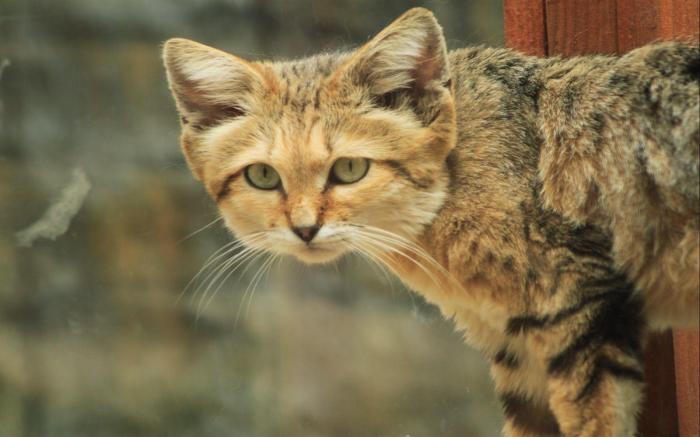
By understanding the numerous benefits of cat neutering near me, you can make informed decisions about your cat’s health and happiness. Remember to consult with a licensed and experienced veterinarian for the best possible care. With proper pre-operative care, post-operative routines, and post-operative checks, you can ensure a smooth recovery for your feline friend. Neutering can help prevent many undesirable behaviors, and it’s crucial to discuss the process with your vet before scheduling the procedure.
FAQ Overview
What is the recommended age for spaying or neutering a cat?
According to veterinarians, the ideal age for spaying or neutering a cat depends on various factors including breed and health status. Generally, kittens can be spayed or neutered between four to six months. However, it is recommended to consult with a veterinarian for personalized advice.
Is anesthesia necessary for neutering a cat?
Yes, anesthesia is necessary to perform a neutering procedure, as it ensures the cat remains comfortable and pain-free throughout the surgery. Your veterinarian will discuss the type of anesthesia used and the monitoring process in place to ensure the cat’s safety.
Can neutering affect a cat’s appetite or metabolism?
Yes, neutering can influence a cat’s appetite and metabolism, particularly if the cat is overweight or underweight. A healthy weight, combined with a balanced diet and regular exercise, can help mitigate these changes.
Are there any risks associated with neutering a male cat?
Like any surgery, neutering comes with potential risks such as infection, blood clotting, and anesthesia complications. Your veterinarian will discuss these risks and how to minimize them before scheduling the procedure.
