Cakes Vegan Gluten Free is a game-changer for bakers who want to cater to a wider audience. By offering vegan and gluten-free options, bakeries can tap into a massive market that was previously untapped.
Gluten-free and vegan cakes have come a long way since their early days. Gone are the days of dense, dry, and flavorless baked goods. Today, bakers can create cakes that are not only delicious but also visually stunning. From classic flavors like vanilla and chocolate to unique options like matcha and beetroot, the possibilities are endless.
The Science Behind Gluten-Free Flours for Cakes

When it comes to baking gluten-free cakes, the right flour combination is crucial. Unlike traditional wheat flour, gluten-free flours lack the essential properties that provide structure, texture, and stability to cakes. In this section, we will delve into the world of gluten-free flours, discussing their differences, properties, and how they can be blended to achieve optimal results.Gluten-free flours come in various forms, each with its unique characteristics.
Almond flour, for instance, is a popular choice due to its nutty flavor and high protein content. It is, however, high in fat and can be dense when used on its own. Coconut flour, on the other hand, is low in carbs and high in fiber but lacks the structural properties needed for cakes. Rice flour, a staple in many gluten-free diets, is light and delicate but can be too crumbly when used without other flours.
Differences Between Gluten-Free Flours
| Flour | Protein Content | Fat Content | Fiber Content | Notes ||:—————-|—————–|————-|—————|——-|| Almond Flour | High | High | Low | Dense, nutty flavor || Coconut Flour | Low | Low | High | Low in carbs, high in fiber || Rice Flour | Low | Low | Low | Light, delicate, crumbly |When selecting gluten-free flours, it’s essential to consider their respective properties and how they can be combined to achieve the desired texture and structure.
A general rule of thumb is to blend different flours to create a balanced mixture.
Blending Gluten-Free Flours
The ideal ratio of flours can vary depending on personal preferences, dietary needs, and the type of cake being made. A common approach is to use a combination of flours, such as 1:1 almond flour to coconut flour, or 2:1 rice flour to almond flour.| 1:1 Ratio | 2:1 Ratio ||——————-|——————–|| Almond Flour : Coconut Flour | Rice Flour : Almond Flour|| (1 part almond flour) | (2 parts rice flour) || (1 part coconut flour) | (1 part almond flour)|
The Role of Xanthan Gum and Guar Gum
Xanthan gum and guar gum are common additives used in gluten-free baking to improve texture and stability. Xanthan gum is a polysaccharide that helps to create a more cohesive texture, while guar gum is a galactomannan that enhances moisture retention and structure.When using xanthan gum and guar gum, a general rule of thumb is to add 0.5-1% xanthan gum and 1-2% guar gum to the dry ingredients.| Additive | Quantity | Notes ||:————–|———-|—————-|| Xanthan Gum | 0.5-1% | Enhances cohesion, texture || Guar Gum | 1-2% | Enhances moisture retention, structure|
Methods for Incorporating Gluten-Free Flours, Cakes vegan gluten free
There are several methods for incorporating gluten-free flours into cake recipes, each with its unique benefits and challenges.
1. Replacing Wheat Flour
When replacing wheat flour entirely, it’s essential to consider the ratio of flours and their respective properties. This may involve using a combination of flours, such as almond flour, coconut flour, and rice flour.
2. Adding Gluten-Free Flours
When adding gluten-free flours to a traditional recipe, start with a small ratio and gradually increase it until the desired texture is achieved. This can involve adding flours such as almond flour, coconut flour, or rice flour.
3. Blending Gluten-Free Flours
When blending gluten-free flours, use a combination of flours, such as 1:1 almond flour to coconut flour, or 2:1 rice flour to almond flour. Adjust the ratio as needed to achieve the desired texture and structure.
For those seeking indulgent desserts, exploring the realm of cakes that are vegan and gluten-free opens doors to a world of flavors and possibilities, where you can satisfy your cravings and stick to your dietary requirements. Sometimes, a refreshing break is just what you need, like discovering the best crab soup near me roosevelt island, a culinary escape that’s just a click away here , allowing you to rejuvenate your taste buds before getting back to your search for the perfect vegan and gluten-free cake recipe.
Decorating and Serving Gluten-Free and Vegan Cakes

Gluten-free and vegan cakes differ significantly from traditional cakes in terms of texture and stability, making decorating and serving techniques more challenging. The absence of gluten leads to a denser, heavier texture, while the absence of dairy and eggs affects the structure and stability of the cake. As a result, decorators and servers must adapt their techniques to work with these unique characteristics.
Decorating with Gluten-Free and Vegan Cakes
Decoating gluten-free and vegan cakes presents a range of challenges due to their unique texture and stability. A crucial aspect of decorating is choosing the right icing and topping options that complement the cake’s characteristics.
- Icing alternatives: Popular choices include dairy-free cream cheese icing, vegan buttercream made from plant-based milk and butter alternatives, and glazes made from fruit purees or nut-based sweeteners.
- Topping options: Edible flowers, fresh fruits, and nuts are popular topping options for gluten-free and vegan cakes, adding texture, color, and visual appeal.
- Fanciful designs: Creative decorators use techniques like piping, stenciling, and stamping to create intricate designs on gluten-free and vegan cakes.
The key to successful decorating is understanding the texture and stability of gluten-free and vegan cakes. By choosing the right icing and topping options and mastering creative decorating techniques, decorators can showcase their artistry while catering to the dietary needs of their clients.
Serving Gluten-Free and Vegan Cakes
Serving gluten-free and vegan cakes requires consideration of presentation, portion control, and ease of consumption.
- Buffet presentation: Gluten-free and vegan cakes can be served on a buffet table, allowing guests to serve themselves. Consider using cake stands or pedestals to elevate the cakes and add visual appeal.
- Individual serving: Individual servings of gluten-free and vegan cakes can be placed on small plates or cake pedestals, creating a more intimate and personalized presentation.
- Specialized serving tools: Consider using specialized serving tools, such as cookie scoops or cake corers, to make serving and consuming gluten-free and vegan cakes easier and more convenient.
In addition to presentation, it’s essential to consider the logistics of serving gluten-free and vegan cakes, including the availability of utensils, plates, and napkins. By planning carefully and adapting to the unique characteristics of gluten-free and vegan cakes, servers can create a memorable and enjoyable dining experience for their guests.
With the rise of vegan gluten-free cakes, consumers are demanding more variety and convenience. As a result, searching for a reliable gluten-free cafe near me is becoming essential for those who require strict dietary accommodations, which in turn validates the growing popularity of these specialty baked goods, fueling innovation in the market.
Illustrative Examples
To illustrate the diversity of decorating and serving options for gluten-free and vegan cakes, let’s consider a few examples.•
- Colorful designs: A vegan baker creates a stunning cake with swirling patterns of brightly colored icing, using a combination of dairy-free cream cheese and plant-based milk. Edible flowers add a delicate touch to the design, creating a vibrant and eye-catching display.
•
- Fruit-inspired designs: A gluten-free cake is topped with a vibrant mixture of fresh berries, carefully arranged to resemble a miniature flower garden. The cake’s texture is light and airy, thanks to the use of almond flour and coconut sugar.
Final Wrap-Up: Cakes Vegan Gluten Free
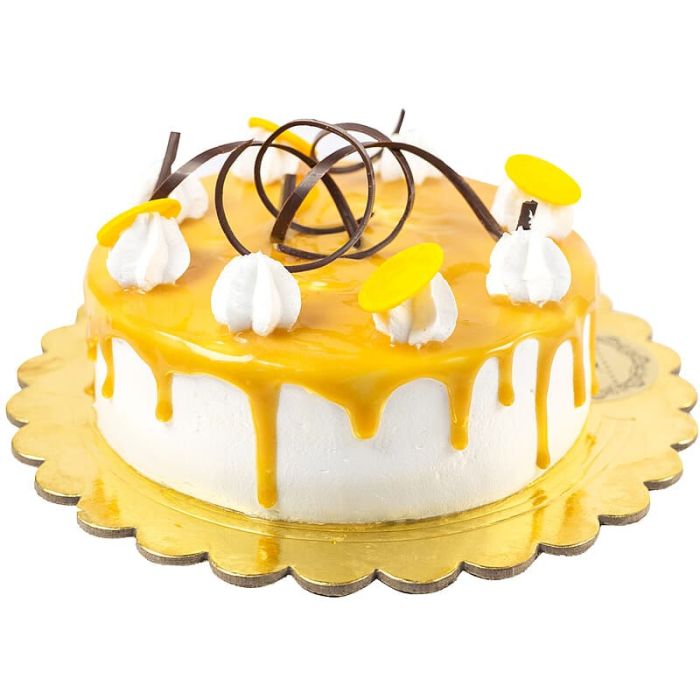
In conclusion, cakes vegan gluten free is a must-know for any baker who wants to stay ahead of the curve. By mastering the art of gluten-free flours, plant-based milk alternatives, and unique flavor combinations, bakers can create cakes that wow their customers and set their business apart from the competition.
FAQ Explained
What is the best gluten-free flour blend for cakes?
The best gluten-free flour blend for cakes is a combination of almond flour, coconut flour, and rice flour. This blend provides a tender crumb, a subtle nutty flavor, and a delicate texture that’s perfect for cakes.
Can I use coconut milk in all vegan cake recipes?
No, you cannot use coconut milk in all vegan cake recipes. Coconut milk has a high fat content and a strong flavor that may not be suitable for all recipes. For example, using coconut milk in a chocolate cake would overpower the flavor of the chocolate. Instead, use coconut milk in recipes that require a creamy texture and a subtle coconut flavor.
How do I achieve a moist and tender texture in vegan cakes?
To achieve a moist and tender texture in vegan cakes, use a combination of plant-based ingredients like coconut oil, avocado oil, and fruit purees. You can also add ingredients like xanthan gum and guar gum to help bind the ingredients together and create a tender crumb.
